
Key Takeaways
- Focus first on safety, water intrusion, major systems, and conditions that may disrupt a buyer’s financing or insurance.
- Separate worthwhile repairs from cosmetic projects that may not return their full cost at closing.
- Gather invoices, permits, warranties, inspection reports, and maintenance records before marketing the property.
- Rural homes may require added attention to wells, septic systems, propane arrangements, outbuildings, and access roads.
- An as-is sale can still require accurate disclosures of known property conditions.
Table of Contents
- Why Repairs Matter When Selling in Nebraska
- Nebraska Conditions That Can Affect a Sale
- Set Repair Priorities Before Spending Money
- Repair, Credit, Price Reduction, or As-Is?
- Documents and Disclosures to Gather
- Extra Steps for Rural Nebraska Homes
- Special Concerns for Older Homes
- Compare the Main Selling Paths
- Final Checklist for a Smoother Sale
Selling a house that needs work can feel overwhelming, whether the property is in Omaha, Lincoln, Grand Island, a small Sandhills community, or a rural area outside town. The best first step is to identify what needs immediate attention, what can be priced into the sale, and which selling route fits your timeline. Homeowners considering a direct sale can review options at https://launchhomebuyers.com/ while comparing that path with a conventional listing.
There is no universal repair checklist for every Nebraska home. A clean house with dated cabinets is a different situation from a home with a leaking roof, a wet basement, failing heat, or damaged electrical components. A practical plan starts with the home’s actual condition, the available repair budget, and the owner’s need for speed, certainty, or maximum market exposure.
Why Repairs Matter When Selling in Nebraska
Visible defects can shape a buyer’s first impression before an inspection ever happens. Peeling paint, loose handrails, stained ceilings, damaged flooring, and clutter may make it harder for buyers to judge the home’s strengths. More serious issues can also lead to requests for repairs, credits, price changes, or additional evaluations during negotiations.
Not every project deserves a large investment. Fresh paint, cleaning, minor hardware replacements, and simple yard maintenance can make a home easier to show. By contrast, a seller should be cautious about starting an expensive remodel without first considering local comparable sales, written contractor estimates, and the likely increase in net proceeds.
Nebraska Conditions That Can Affect a Sale
For owners who prefer a simpler process, https://launchhomebuyers.com/ can be one option to compare after reviewing the home’s repair needs and likely sale costs. Regardless of the path selected, Nebraska’s changing seasons make exterior and moisture-related maintenance especially important to evaluate.
- Basements and drainage: Check grading, gutters, downspout extensions, sump pumps, foundation walls, and any history of water intrusion or musty odors.
- Roof and exterior: Review roof age if known, missing or damaged materials, siding, screens, flashing, and storm-related repairs or insurance claims.
- Concrete and masonry: Look for notable cracks, uneven walks, settling, or areas where water collects near the structure.
- Older systems: Confirm the condition of heating equipment, electrical panels, plumbing supply lines, water heaters, insulation, and windows.
Set Repair Priorities Before Spending Money
Safety and Habitability
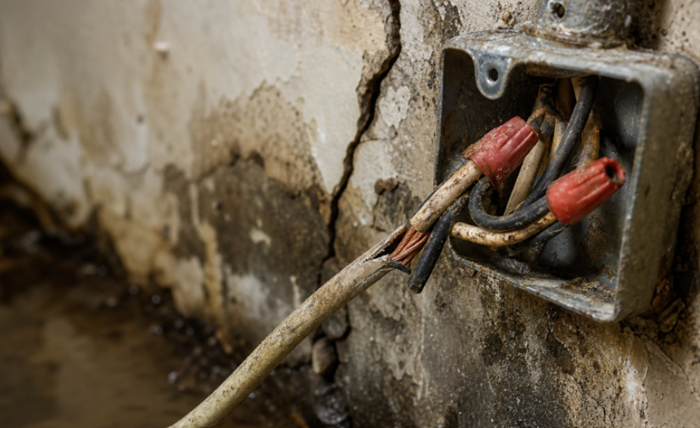
Address suspected gas leaks, carbon monoxide concerns, exposed wiring, unsafe stairs, loose railings, serious mold, sewage backups, standing water, and nonworking heat during cold conditions. These are not ordinary cosmetic matters, and qualified professionals should evaluate issues that may create a health or safety risk.
Major Systems
Next, consider roof leaks, active plumbing leaks, heating and cooling performance, sewer-line concerns, substantial foundation movement, and malfunctioning water heaters. Obtain at least one written estimate for significant work. If the diagnosis is uncertain or the cost is substantial, a second opinion can help the seller make a better-informed decision.
Cosmetic Improvements
Then focus on cleaning, decluttering, neutral touch-up paint, basic landscaping, burned-out bulbs, damaged switch plates, and loose cabinet hardware. These smaller tasks can improve presentation without committing the owner to a major renovation.
Repair, Credit, Price Reduction, or As-Is?
- Repair before listing: This may work well for clear, visible defects that could discourage showings or create lending concerns.
- Offer a buyer credit: A credit can let the buyer choose finishes or contractors, subject to the purchase agreement and financing terms.
- Adjust the price: This can be easier when the work is extensive, and the condition is straightforward to explain.
- Sell as-is: This may suit an owner who lacks the funds, time, or ability to oversee repairs. It does not mean known conditions should be hidden.
Do not promise repairs that cannot realistically be completed before closing. When work is negotiated, the agreement should clearly identify the scope, timing, responsible contractor, receipts, and any required approvals.
Documents and Disclosures to Gather
Collect utility bills, repair invoices, permits for additions or finished spaces, warranties, roof and HVAC records, insurance claim paperwork, property tax information, HOA documents, and estimates for unfinished work. Good records help answer buyer questions without relying on memory.
Nebraska owners selling most residential properties with one to four units generally need to provide a seller property condition disclosure statement before a buyer becomes obligated to purchase. The seller’s property condition disclosure guidance from the Nebraska Real Estate Commission is a useful starting point, but sellers with unusual ownership, title, estate, or contract issues should seek advice from an attorney or qualified real estate professional.
Extra Steps for Rural Nebraska Homes
Rural properties can involve systems and improvements that are not always present in town. Confirm whether the home uses public water, a private well, or a shared well. Locate available water tests, septic permits, pumping records, inspection reports, propane tank ownership or lease information, and agreements concerning private-road maintenance.
Also document outbuildings, fencing, grain bins, livestock facilities, drainage features, easements, and driveway access. Local requirements can vary, so confirm property-transfer, well, septic, and wastewater rules with the relevant county, city, or health department early enough to avoid a last-minute delay.
Special Concerns for Older Homes
Homes built before 1978 deserve added care when old paint may be disturbed. Sanding, cutting, demolition, and window replacement can create lead dust if lead-based paint is present. Nebraska notes that contractors performing lead-based paint activities must be licensed, and its lead-based paint regulations also explain disclosure and renovation considerations. Keep any prior lead inspection, abatement, or renovation records with the sale file.
Compare the Main Selling Paths
- Traditional listing: Often fits a market-ready property when the owner wants broad exposure, but it may involve showings, inspections, negotiations, and repair requests.
- For-sale-by-owner: Gives the owner direct control, but the owner manages marketing, scheduling, pricing, contracts, and negotiations.
- As-is sale: Can reduce preparation work, although buyers may account for repairs, uncertainty, and resale costs in their offers.
- Direct offer: May offer a simpler timeline, but should be compared against the estimated net proceeds from other available options.
Final Checklist for a Smoother Sale
- Walk through the property and list known concerns.
- Separate safety and system repairs from cosmetic updates.
- Request written estimates for major work.
- Gather permits, invoices, warranties, and maintenance records.
- Review well, septic, lead-paint, and local transfer requirements when relevant.
- Compare offers based on price, contingencies, credits, closing costs, and timing.
- Provide accurate information and avoid unsupported claims about repairs or condition.
Selling a Nebraska home with repairs is manageable when the owner works from clear facts rather than assumptions. A realistic repair plan, organized documentation, honest disclosures, and a comparison of several selling paths can make the next step easier to choose.