Interior material trends in India in 2026 are being shaped by a combination of factors unique to this moment. The residential design market has matured considerably, and homeowners are far more informed about material choices than ever before. Meanwhile, manufacturers have kept pace by expanding the range and quality of surface materials available at accessible price points. Rather than borrowing wholesale from global design media, these trends are uniquely tailored to Indian climate conditions, spatial norms, and lifestyle expectations.
1. Warm Neutrals Replacing Cool Grays
The cool gray palette that dominated Indian home interiors for much of the previous decade has been steadily replaced by warmer neutrals: warm whites, soft terracottas, dusty sages, and stone tones with yellow or red undertones. This shift is visible across paint colors, laminate palettes, and tile selections. Ultimately, it reflects a broader cultural move toward warmth and softness in home environments.
2. Matte Surfaces Across All Material Categories
Matte finishes have maintained a strong position across laminates, tiles, paints, and hardware. Choosing matte over gloss reflects both aesthetic maturity and practical design experience. Matte surfaces appear more considered and show far fewer fingerprints or cleaning marks in high-touch areas compared to high-gloss alternatives.
3. Textured Three-Dimensional Panels
The move from flat surface finishes toward three-dimensional panels with visible profile depth is the most significant material trend in Indian home interiors over the past three years. Louver panels, fluted panels, and cane-effect surfaces have all gained significant ground, and the direction shows no sign of reversing. Decorative laminates in textured profiles have been central to making this direction accessible at a price point that works across a wide range of home budgets.
4. Integrated Material Palettes Across Surfaces
Material palettes today are designed to flow seamlessly across multiple surfaces within a single room. For example, the same woodgrain might run from a wall panel straight across a wardrobe and onto a bed frame. Achieving this continuous look requires tighter coordination between suppliers and installers, but it produces a space that feels intentionally designed rather than pieced together.
5. Stone-Effect Surfaces at Scale
Stone-effect laminates and large-format panels that replicate marble, travertine, and quartzite at full-room scale are in high demand for kitchens and bathrooms. They deliver the rich visual impact of natural stone without its heavy structural weight, high cost, or maintenance requirements. Modern laminate printing technology is so advanced that the distinction is virtually invisible at normal viewing distances.
6. Sustainable Material Positioning
Consumer interest in the environmental credentials of interior materials has grown significantly. In response, the market has introduced low-emission substrates, recycled content products, and certified sustainable options. While this interest is genuine, final buying decisions are still primarily driven by appearance and cost, with sustainability acting as a supporting factor.
7. Biophilic Material Direction
The incorporation of natural material references, woodgrains, stone textures, cane effects, and botanical prints into the material palette of Indian homes reflects a biophilic design direction that has moved from design media into mainstream residential fit-outs. The practical expression of this is not necessarily natural materials used literally but the visual and tactile vocabulary of the natural world translated into durable surface products.
8. Ceiling as a Design Surface
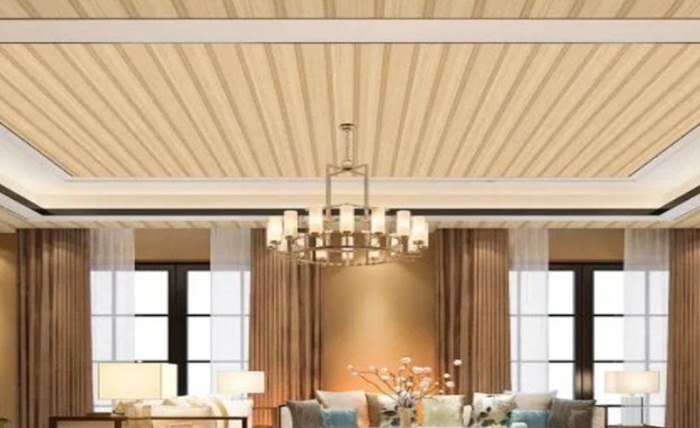
The ceiling plane has graduated from a surface to be painted white and left alone to an active design element in contemporary Indian home interiors. Dropped ceiling sections, soffit panel treatments, textured ceiling finishes, and integrated lighting details are all in increasing demand, and the material range available for ceiling and soffit applications has expanded to reflect this.
9. Kitchen Material Sophistication
Kitchen material selections in India in 2026 are considerably more sophisticated than they were five years ago. Homeowners now opt for matte cabinet finishes in non-standard colors, handleless profiles, and seamless full-height backsplashes. Furthermore, considered soffit treatments above upper cabinets reflect the high level of architectural attention Indian kitchens now consistently receive.
10. Laminate vs Acrylic as an Active Decision
The choice between laminate and acrylic finishes for kitchen and wardrobe shutters is a decision that more homeowners are making consciously rather than defaulting to one or the other. The comparison between laminate and acrylic in terms of durability, maintenance, finish quality, and cost is worth understanding before specifying either, since the right choice depends on the specific application, the use intensity of the surface, and the maintenance expectations of the household.