
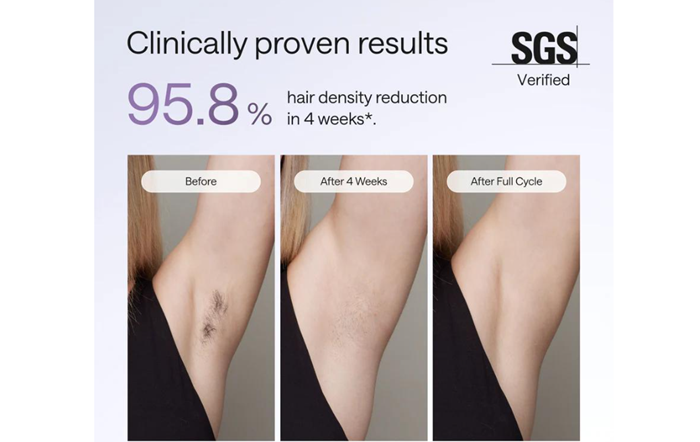
Natural-looking facial hair removal starts with choosing methods that clear visible hair without leaving skin irritated, patchy, or overly stripped. Many people want smooth skin that still looks like skin, not a harshly treated surface. Modern facial hair removal techniques focus on precision, gentleness, and better control, making it easier to target small areas such as the upper lip, chin, cheeks, jawline, and sideburns. Whether you prefer quick touch-ups at home or a more structured grooming routine, the best results come from matching the method to your skin type, hair texture, and comfort needs. With the right preparation, careful technique, and simple aftercare, facial hair removal can help maintain a clean, polished appearance while keeping your complexion calm, even, and healthy-looking.
Understanding Modern Facial Hair Removal Methods
Common techniques and how they work for facial hair removal
Modern facial hair removal includes several reliable techniques, each designed for different preferences and hair types. Tweezing removes individual hairs from the root and works well for shaping small areas. Waxing lifts multiple hairs at once, creating smooth skin for longer periods, though it can feel intense on delicate facial skin. Threading uses twisted thread to pull hair from the follicle with strong precision, especially around brows and upper lip. Dermaplaning and facial razors cut hair at the surface, offering quick touch-ups and a smooth finish. Electric facial hair removers use rotating or oscillating heads to trim or lift hair efficiently with controlled contact. Depilatory creams dissolve hair above the skin, but require careful patch testing before use.
Key factors that affect comfort, precision, and final results
Comfort, precision, and finish depend on more than the removal method alone. Skin sensitivity is one of the biggest factors, since reactive skin often responds better to gentle, controlled tools than to aggressive pulling or harsh formulas. Hair thickness and growth pattern also matter because coarse or uneven growth may need slower, more precise passes. Good lighting improves accuracy, especially in small facial zones where missed strands can disrupt a natural result. Clean tools reduce friction and help protect the skin barrier. Timing matters too; removing hair after cleansing, when skin is soft and free of makeup or oil, usually improves glide and control. A steady hand, light pressure, and working in the correct direction all support smoother-looking outcomes.
How to Achieve Natural-Looking Facial Hair Removal Results
Preparing your skin before removing unwanted facial hair
Preparation plays a major role in making facial hair removal look refined rather than harsh. Start by cleansing the face with a gentle, non-stripping cleanser to remove sunscreen, makeup, oil, and debris that can interfere with the tool or method you use. Pat the skin dry and inspect the area in bright, natural light so you can work with accuracy. If needed, lightly exfoliate beforehand to lift trapped hairs and smooth rough patches, but avoid strong acids or abrasive scrubs right before removal. Keep the skin relaxed and taut during the process, especially around the upper lip and chin. For the most even finish, work slowly, use short controlled motions, and avoid repeatedly going over the same spot, which can lead to redness.
Aftercare steps to maintain smooth and healthy-looking skin
After facial hair removal, focus on calming the skin and protecting its natural barrier. Rinse away any remaining hair or residue, then apply a gentle, fragrance-free moisturizer or soothing serum to reduce dryness and leave the surface looking smooth instead of stressed. Avoid heavy exfoliants, retinoids, or strong active ingredients for the rest of the day, since freshly treated skin can be more vulnerable to irritation. If you plan to go outside, use broad-spectrum sunscreen because exposed skin may appear more reactive after hair removal. Keep hands away from the area and skip picking at any spots. Clean your device or tool after each use so future sessions stay hygienic and precise. Consistent aftercare helps the complexion recover quickly and keeps results soft, even, and naturally polished.
Choosing the Right Facial Hair Removal Tool for Your Needs
Features to consider when selecting a modern facial hair remover
When selecting the best facial hair remover, look for features that support control, hygiene, and ease of use. A compact head helps reach smaller areas around the lips, chin, and jawline without disturbing surrounding skin. Built-in precision lighting can make fine hairs easier to see, improving accuracy during touch-ups. Gentle-contact design matters because facial skin benefits from tools that remove hair efficiently without excessive pulling or scraping. Easy cleaning is another practical feature, especially for regular grooming. Battery-powered or rechargeable options can add convenience if you want a quick routine at home or while traveling. The best tool should feel comfortable in hand, work predictably on delicate areas, and fit naturally into a simple skincare and grooming schedule.
Why precision-focused devices support everyday grooming routines
Precision-focused devices support everyday grooming because they make maintenance feel manageable rather than time-consuming. Instead of waiting for hair growth to become obvious, you can handle small touch-ups quickly and keep facial areas consistently neat. That approach often leads to more natural-looking results, since you remove visible hair gradually without overworking the skin. Tools designed for facial use also help limit guesswork in curved or narrow areas where broad methods can be harder to control. For people who value convenience, a dedicated facial hair remover can fit easily into a morning or evening routine and reduce the need for frequent appointments. Consistent, precise grooming helps maintain smooth skin, cleaner lines, and an overall polished appearance with less disruption.
Natural-looking facial hair removal comes down to using the right method, preparing skin properly, and following with thoughtful aftercare. Modern options make it easier to remove unwanted facial hair with more comfort and precision, whether you prefer quick touch-ups or a regular grooming routine. Clean skin, careful technique, and gentle post-removal products help protect the complexion and keep the finish smooth and even. Choosing a facial hair remover designed for delicate areas can also simplify maintenance and improve consistency. When each step supports skin health as well as appearance, facial hair removal becomes less about harsh correction and more about maintaining a fresh, polished, healthy-looking result.