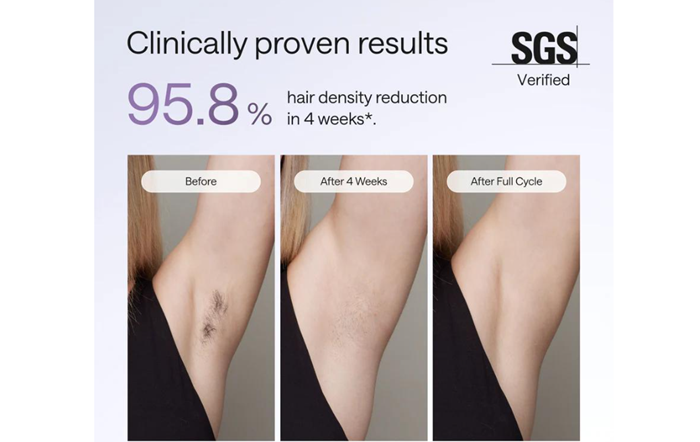
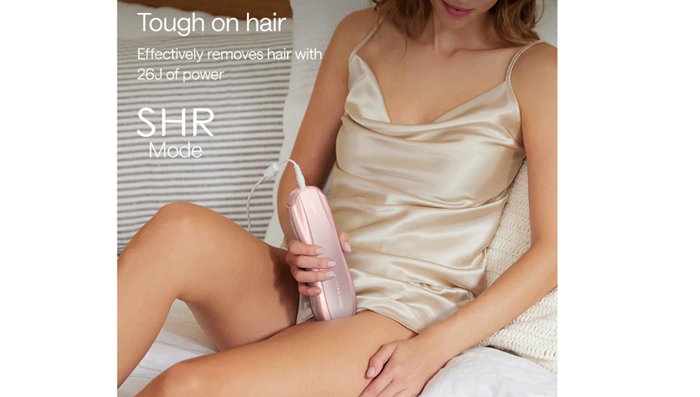
At home laser hair removal works by sending controlled pulses of light into the skin to target hair at the root. The pigment in the hair absorbs that light energy, which heats the follicle and reduces its ability to grow new hair. Over a series of treatments, hair grows back more slowly, appears finer, and becomes less noticeable. Home devices are designed for gradual, repeated use rather than the stronger, faster treatments often performed in clinics. That makes them more convenient for regular maintenance on areas like the legs, underarms, bikini line, and face. Understanding how the process works, how to prepare skin, and how to use the device safely helps you get smoother skin and more consistent results from each session over time.
How At Home Laser Hair Removal Devices Work Step by Step
How Light Energy Targets Hair Follicles
at home laser hair removal typically use laser or intense pulsed light technology to focus light beneath the skin’s surface. That light is drawn to melanin, the pigment inside the hair shaft and follicle. Once absorbed, the energy converts to heat and disrupts the follicle’s growth cycle. The goal is not to remove every hair instantly, but to damage active follicles so future regrowth becomes slower and lighter. Because hair grows in cycles, only follicles in the active growth phase respond well during a session. Repeated treatments are needed to catch different hairs at the right stage and build long-lasting reduction.
What Happens During and After Each Treatment Session
During a treatment session, the device is placed against clean, shaved skin and activated in small sections. Each flash delivers light energy to the follicles under the surface while the surrounding skin is largely left unharmed. You may feel warmth, a quick snap, or mild tingling. After treatment, the skin can look slightly pink for a short time, which usually settles quickly. Hair does not fall out immediately. Instead, treated hairs gradually shed over the following days or weeks. With consistent sessions, fewer hairs return, and the ones that do often appear thinner, softer, and less visible than before.
Preparing for an At Home Laser Hair Removal Treatment
Steps to Get Skin Ready Before Using a Device
Good preparation improves both comfort and results. Start by shaving the treatment area so light can reach the follicle instead of burning surface hair. Clean the skin thoroughly and remove lotion, deodorant, oils, self-tanner, and makeup. The skin should be completely dry before treatment. Avoid waxing, tweezing, or epilating beforehand because those methods remove the hair root that the light needs to target. It is also smart to limit sun exposure and skip treatment on sunburned or irritated skin. If your device includes different intensity settings or a skin tone sensor, review the instructions first and test a small area before full use to confirm the setting feels appropriate.
How to Use an At Home Device Correctly for Better Results
Use the device exactly as directed for the body area you are treating. Place the treatment window flat against the skin so the light flashes only when full contact is made. Move methodically in rows to cover the area evenly without missing spots or repeatedly flashing the same section. Start with a comfortable energy level, then increase only if the instructions allow and your skin responds well. Built-in features such as automatic skin sensing, adjustable intensity levels, and glide or stamp modes can help improve precision and ease of use. After finishing, apply a gentle moisturizer if needed and follow the recommended schedule closely to maintain steady progress.
Safety Tips and Factors That Affect Treatment Results
Common Mistakes to Avoid During Home Treatments
Several common mistakes can reduce effectiveness or irritate the skin. Do not use the device on unshaved hair, since surface hair can absorb too much energy and create unnecessary discomfort. Avoid treating over tattoos, very dark spots, broken skin, or active irritation unless the manufacturer specifically says it is safe. Skipping the patch test is another frequent error, especially when using a new intensity level. Inconsistent scheduling also slows progress because hair follicles are only treatable during certain growth stages. Do not over-treat an area in hopes of faster results. More flashes do not mean better outcomes. Careful, even coverage and regular sessions are the safest, most effective approach.
Skin Type, Hair Color, and Treatment Frequency Considerations
At home light-based hair removal works best when there is a clear contrast between hair color and skin tone, because the device targets pigment in the hair. Dark blond, brown, and black hair usually respond more effectively than gray, red, or very light blond hair, which contain less usable pigment. Skin tone also matters because darker skin contains more melanin, so device compatibility and intensity settings must match the user’s profile. Treatment frequency is equally important. Most home devices require an initial series of regular sessions, followed by maintenance as needed. Following the recommended timing helps target more hairs during active growth and supports smoother, longer-lasting reduction over time.
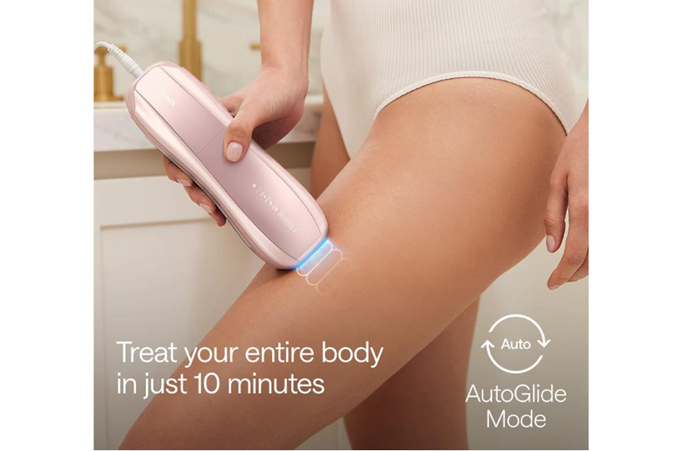
At home laser hair removal works by using light energy to heat hair follicles and reduce future growth. The process is simple, but good results depend on correct preparation, careful technique, and consistent treatment timing. Shaving before sessions, using the right settings, and avoiding common mistakes all help the light reach the follicle safely and effectively. It also helps to understand that hair responds in cycles, so progress happens gradually over multiple treatments rather than after one session. When used properly on suitable skin and hair types, an at home device can be a practical way to achieve smoother skin with less frequent regrowth.