
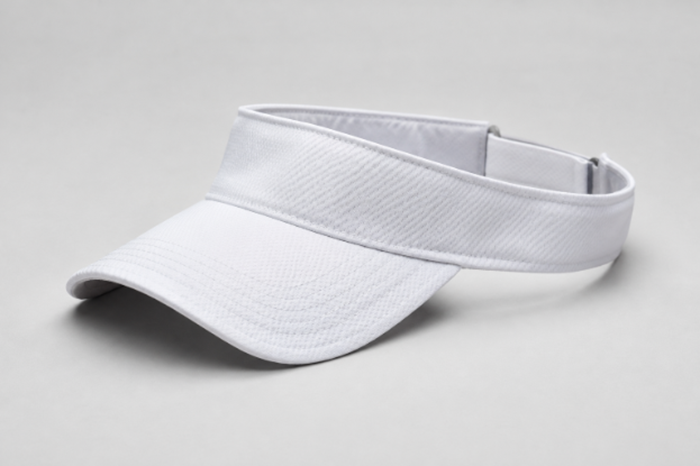
A well-chosen visor can make time outdoors more comfortable by shading the eyes while leaving the top of the head open for airflow. Whether you are shopping for yourself, organizing an event, or comparing wholesale custom visors for teams and brands, the best option comes down to fit, intended activity, fabric, brim design, and realistic expectations for sun coverage.
Unlike a traditional cap, a visor has a front brim attached to an open headband. That design can feel cooler in warm weather and works especially well for people with long or high-volume hair. However, it also leaves the scalp, ears, and neck exposed, so it should be treated as one part of an overall outdoor routine rather than complete sun protection.
Why Choose A Visor?
A visor is a practical choice when eye shade and ventilation matter more than full head coverage. The brim helps reduce direct light reaching the eyes and upper face, while the open crown can prevent the enclosed feeling some people experience with caps. The basic sports visor design combines a bill with a headband, making it familiar and simple to wear.
- Choose a visor for warm-weather exercise, golf, tennis, casual walks, and outdoor events where airflow is a priority.
- Choose a baseball cap when you want more coverage over the scalp and a familiar all-purpose shape.
- Choose a bucket hat when the ears, sides of the face, and neck need more shade.
Match The Visor To The Activity
The right visor for a quiet afternoon in the garden may not be the right one for a fast run. Start with the movement, weather, and length of time you expect to wear it. Independent roundups of running hats and visors also highlight features such as low weight, ventilation, adjustment systems, and easy packing, all of which are useful factors for active buyers.
For Running
Look for a lightweight visor with a secure adjustable band, a quick-drying fabric, and a brim that stays stable as you move. Avoid a loose fit that may shift when sweat builds up or when wind picks up.
For Tennis And Golf
A stable, comfortable band and an unobstructed view are important for sports that involve tracking a ball. A curved brim can help direct shade toward the eyes without extending too far into the line of sight.
For Travel, Gardening, And Everyday Wear
Travelers may prefer a flexible visor that fits easily into a bag and returns to shape after packing. Gardeners may value a broader brim and a softer sweatband for longer outdoor sessions. For everyday wear, color, comfort, and compatibility with sunglasses may matter most.
Check The Fit Before Buying
Fit affects comfort more than almost any other feature. A visor should sit securely above the ears without pressing hard against the temples or leaving a deep mark across the forehead.
- Measure around the head where the band will rest.
- Compare the measurement with the manufacturer’s size information when it is available.
- Try the visor with sunglasses, especially if you plan to wear both together.
- Move your head, bend forward, and look upward to check for slipping or blockage.
- Adjust the closure until the visor feels stable but not tight.
Hook-and-loop tabs offer quick adjustment, while buckles and sliding straps can provide a more precise setting. Elastic bands are simple and streamlined, but they offer less room to fine-tune the fit. People with long hair should also check whether a ponytail fits comfortably through or above the back band.
Compare Materials And Breathability
Fabric influences how a visor feels during heat, exercise, and travel. Polyester and nylon are commonly used in active styles because they are durable and tend to dry relatively quickly after getting wet. Cotton often feels soft, but it can stay damp longer after heavy sweating. Mesh panels can improve airflow, while blended fabrics may balance softness, stretch, and durability.
Do not overlook the sweatband. A soft, absorbent, or moisture-managing band can make a noticeable difference during a workout or a hot day. Check the stitching around the band and brim as well, particularly if the visor will be used frequently.
Choose The Right Brim Shape
Brim shape determines how much shade you receive and how the visor feels in motion. Curved brims direct shade toward the eyes and can feel natural for running or court sports. Flatter brims create a different look but may provide less wraparound shade. A darker underside can also reduce the amount of reflected light entering the eyes.
Try the visor while looking forward, down, and up. A deeper or wider brim may suit gardening and relaxed walking, but an oversized brim can feel less secure during fast movement or in windy conditions. The best choice provides useful shade without distracting from your field of view.
Consider Sun Coverage
A visor shades the front of the face, but it does not cover the top of the head, ears, or neck. For extended time outside, apply sunscreen to exposed skin, wear sunglasses with appropriate UV protection, and seek shade when possible. If fuller coverage is the priority, a cap or a broad-brimmed hat is usually a better match.
Some visors include UPF claims for their fabric. Those claims apply to the material itself, not to exposed areas around it. A UPF label can be useful, but it should not be the only factor guiding a sun-safety decision.
Pack And Care For A Visor
Care begins with the label. Follow its washing instructions, remove sweat and surface dirt after heavy use, and allow the visor to air-dry rather than exposing it to high heat. Store it flat or in a place where the brim will not be bent under the weight of heavier items.
Frequent travelers may prefer flexible materials, while regular athletes may prioritize reinforced stitching and faster drying. Keeping a spare visor in a gym bag, car, or travel pack can also make it easier to stay prepared for unexpectedly sunny conditions.
Common Buying Mistakes
- Choosing appearance before testing comfort and fit.
- Buying a non-adjustable style for high-movement activities.
- Ignoring the sweatband and inner seams.
- Assuming a visor provides complete sun protection.
- Selecting a brim that interferes with vision.
- Forgetting to test the visor with sunglasses, headphones, or long hair.
- Using one style for every activity, weather condition, and season.
A Simple 2026 Buying Checklist
- Does it fit securely without pinching?
- Will it stay in place during your usual activity?
- Is the fabric appropriate for the expected weather?
- Does the brim provide enough shade without limiting visibility?
- Does it work comfortably with sunglasses and your hairstyle?
- Can you clean, pack, and store it easily?
Conclusion
Choosing the right visor comes down to balancing comfort, breathability, fit, and sun coverage with the activity you have in mind. Whether you need a lightweight option for running, a stable design for golf or tennis, or a comfortable style for everyday wear, prioritize materials and features that suit your routine. By checking fit, brim design, durability, and care requirements before buying, you can find a visor that looks good, performs reliably, and makes time outdoors more comfortable.