Preparing your home with backup power starts with a simple goal: keep essential systems running safely when the grid goes down. A solid plan helps you protect food, maintain lighting, charge phones, support medical equipment, and stay comfortable during short or extended outages. Instead of waiting for an emergency, review your household’s power priorities now, choose equipment that matches your needs, and learn how to use it correctly. With the right backup setup, you can reduce disruption, avoid preventable damage, and respond with confidence when severe weather or unexpected utility failures occur.
Assess Your Home’s Backup Power Needs Before an Outage
Identify Essential Devices That Need Continuous Power
Start by making a list of the devices and circuits your household cannot go without during an outage. Focus first on refrigeration, internet equipment, phones, lights, sump pumps, medical devices, security systems, and basic cooking appliances. If your area experiences extreme heat or cold, include heating or cooling needs that affect safety. Think in terms of priorities: what must stay on at all times, what should run occasionally, and what can wait. This step prevents overspending on unnecessary capacity while reducing the risk of overloading your backup system. A written priority list also makes it easier to respond quickly and calmly when power fails.
Calculate Power Capacity and Runtime Requirements
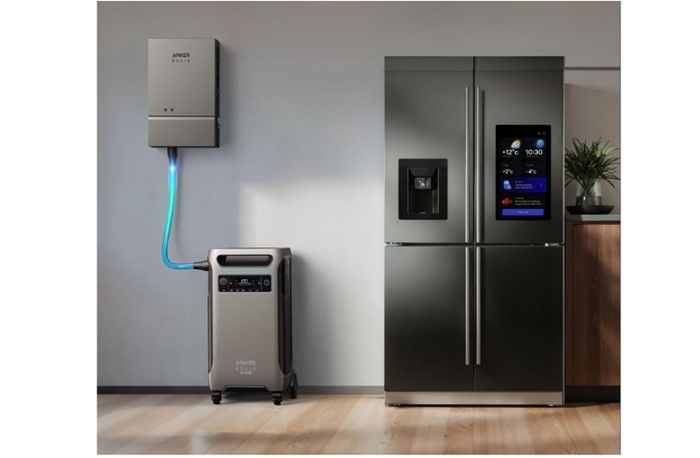
After listing essential devices, check each item’s running wattage and starting wattage, especially for appliances with motors such as refrigerators, pumps, and air conditioners. Add the total load you expect to use at the same time, then estimate how many hours each device must run. That gives you a practical picture of both power capacity and runtime needs. For larger households, the Anker SOLIX F3800 Plus Portable Power Station starts at 3.84kWh with 6kW output and expands to 53.8kWh with 12kW, offering 120V/240V power for everything from fridges to central AC. Matching output and battery size to real usage is the key to reliable backup.
Choose the Right Backup Power Solution for Your Home
Portable Power Stations for Flexible Home Backup
Portable power stations work well for homeowners who want backup power without the noise, fuel storage, or maintenance demands of traditional engine-based systems. They can support essentials during outages, move where power is needed, and provide a practical option for apartments, houses, workshops, or temporary emergency setups. Look for a model with enough AC output for your critical loads, multiple outlet types, and clear battery status monitoring. Portability matters, but so does scalability if your needs grow later. A well-chosen portable backup unit gives you flexibility for short blackouts and planned use, while also serving as a dependable emergency power source when severe weather interrupts normal service.
Solar Charging Options for Longer Energy Independence
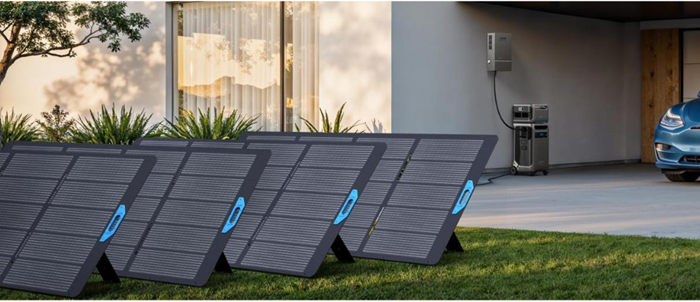
Solar charging adds an important layer of resilience to a home backup plan because it helps restore battery capacity when grid power remains unavailable. Instead of relying only on stored energy, you can recharge during daylight and extend support for lights, communications, refrigeration, and other essentials. This approach is especially useful during multi-day outages caused by storms or infrastructure damage. When evaluating solar compatibility, check supported input, charging speed, and panel placement requirements around your home. Position panels where they receive strong sunlight, keep connectors protected, and account for seasonal weather conditions. A solar-ready backup setup can reduce downtime and improve energy independence during prolonged emergencies.
Build a Reliable Backup Power Plan for Emergencies
Set Up Safe Charging and Storage Practices
Safe charging and storage practices help your backup system perform well when you need it most. Keep the power station in a dry, well-ventilated indoor area away from direct heat, moisture, and blocked airflow. Use the correct charging cables and accessories, and avoid overloading outlets or daisy-chaining power strips into the system. Charge the unit according to the manufacturer’s guidance so the battery stays within a healthy range during storage. Store it where it remains accessible during an emergency, not buried behind heavy items. It also helps to label critical cables, keep a flashlight nearby, and review safe operation steps with everyone in the household before an outage occurs.
Maintain Your Backup System for Long-Term Readiness
Maintenance keeps backup power reliable instead of leaving you with surprises during an emergency. Check battery status regularly, inspect cables for wear, and confirm outlets, displays, and charging ports are working properly. Run occasional test sessions by powering a few essential devices so you can verify real-world performance and become familiar with setup steps. If your system supports expansion batteries or solar input, test those connections too. Update your device priority list as household needs change, especially after adding appliances or medical equipment. A simple maintenance routine, done every few months, preserves readiness and gives you confidence that your backup plan will work when the next outage arrives.
Preparing your home with backup power means understanding your essential loads, choosing equipment with the right output and runtime, and maintaining it properly for emergencies. A thoughtful setup can keep food cold, communications available, and key appliances running without unnecessary stress when the power goes out. Portable power stations offer flexible home backup, while solar charging can extend support during longer outages. Once you create a device priority list, calculate energy needs, and follow safe storage and charging practices, your household will be far better prepared. The best time to build a reliable backup power plan is before the next outage begins.