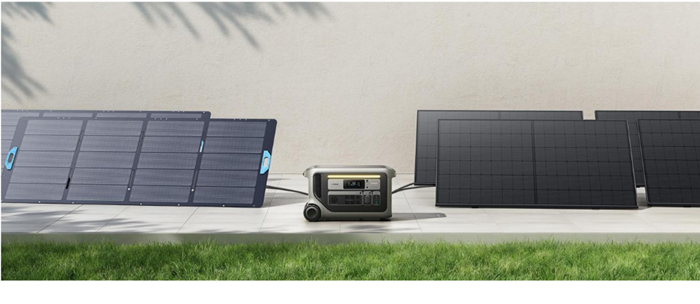
A solar generator stores clean energy by capturing sunlight through solar panels, converting that energy into electricity, and holding it in a battery for later use. Instead of burning fuel, it relies on renewable solar input and an internal power management system to collect, regulate, and deliver electricity safely. This makes solar generators useful for camping, RV travel, job sites, home backup, and other situations where quiet, portable power matters. Understanding how storage works helps explain why these systems can run devices after sunset or during outages. The process depends on several connected components working together efficiently, from panel to battery to output.
How Solar Generators Capture and Store Renewable Energy?
Converting Sunlight Into Usable Electrical Energy
Solar generators begin by collecting sunlight with photovoltaic panels. Inside each panel, solar cells absorb light and create direct current electricity through the photovoltaic effect. That raw power then flows into the generator, where electronics regulate voltage and current before charging starts. This step matters because solar input changes throughout the day with cloud cover, panel angle, and light intensity. A capable system can accept substantial input and convert it efficiently for faster charging. For example, the Anker SOLIX F3000 supports up to 2,400W solar input and can fully charge in under 2 hours with optimal sunlight, showing how high-input systems capture renewable energy quickly and effectively.
Storing Solar Power in Battery Systems for Later Use
Once solar electricity is conditioned, the generator stores it in an internal battery system for later use. Most modern units use lithium battery chemistry because it offers high energy density, stable performance, and longer service life than older battery types. The battery does not simply collect power randomly; the system manages charging in stages to protect cell health, reduce heat, and improve efficiency. Stored energy remains available when sunlight drops, at night, or whenever connected devices need power immediately. Battery durability also affects long-term value. A unit with 4,000-cycle LFP batteries, for instance, can support repeated charging and discharging while maintaining dependable performance across years of regular use.
Key Components That Make Solar Energy Storage Possible
The Role of Batteries, Charge Controllers, and Inverters
Solar energy storage depends on three main parts working together: batteries, charge controllers, and inverters. The battery holds the electricity collected from the panels. The charge controller manages how that electricity enters the battery, preventing overcharging, limiting unsafe voltage, and improving charging efficiency under changing sunlight conditions. The inverter then converts stored direct current into alternating current, which many household appliances and electronics require. Without these components, solar power would be difficult to store safely or use conveniently. Many generators also include a battery management system that monitors temperature, current, and cell balance. Together, these controls protect the system and make stored clean energy practical for everyday applications.
How Stored Energy Becomes Available for Different Devices
Stored energy becomes useful when the generator routes battery power to the correct output for the connected device. If a phone, router, or LED light needs USB or low-voltage DC power, the system can deliver it directly. If a laptop charger, refrigerator, or power tool needs AC electricity, the inverter converts the battery’s DC energy into usable AC output. Internal electronics manage load distribution, output stability, and safety protection while devices are running. This design allows one stored energy source to support many applications. Users can power communication gear, cooking equipment, medical devices, or small appliances depending on the generator’s capacity, available ports, and continuous output rating.
Benefits of Stored Solar Energy for Outdoor and Emergency Use
Supporting Off-Grid Activities With Independent Power
Stored solar energy gives people reliable power in places where grid access is limited or unavailable. Campers, RV travelers, field crews, and outdoor event teams can run lights, charge electronics, power small appliances, and operate tools without relying on fuel. Because the battery stores energy ahead of time, users can keep equipment running even after sunset or during cloudy periods. Solar generators also reduce noise, fumes, and maintenance compared with combustion-based alternatives, which makes them more comfortable for recreation and practical for remote work. This independence is especially useful during extended trips, where consistent access to power supports safety, communication, food storage, navigation, and a more convenient off-grid experience overall.
Providing Backup Energy During Unexpected Outages
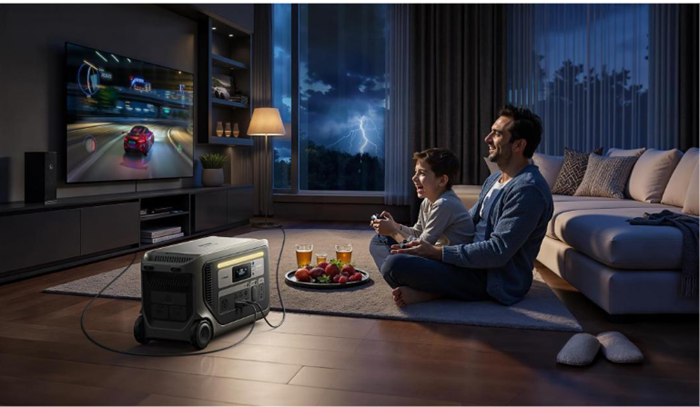
During a power outage, stored solar energy can keep essential devices operating without waiting for fuel delivery or grid restoration. A charged solar generator can support lights, phones, internet equipment, medical devices, and selected kitchen or home office appliances, depending on its output and battery capacity. That immediate access to backup electricity helps households stay connected, informed, and safer during storms or infrastructure failures. If sunlight is available, the system can also recharge and extend runtime instead of draining once and stopping. This combination of stored energy and renewable recharging makes solar generators especially valuable for emergency preparedness, giving users a quieter, cleaner backup option for short disruptions and longer interruptions alike.
A solar generator stores clean energy through a simple but effective chain: solar panels capture sunlight, charging electronics regulate the incoming power, batteries store it, and inverters make it usable for everyday devices. That stored electricity provides dependable power long after the sun goes down and offers a practical alternative to fuel-based generators. Whether used for off-grid travel, outdoor work, or emergency backup, the value comes from safe storage and controlled energy delivery. By understanding how these systems work, users can choose a setup that matches their needs and get more reliable performance from renewable energy whenever and wherever power is required.