Off-grid living demands a solar setup that matches how you actually use power each day. A system that is too small leaves you short on energy, while an oversized one increases cost without much benefit. The most effective approach is to estimate your daily electricity needs, size your panels and battery bank accordingly, and choose durable components that can handle outdoor use over time. Good setup design also includes panel orientation, seasonal sunlight changes, and room for future expansion. Whether you are powering a cabin, RV, tiny home, or backup site, a thoughtful solar panel system helps you stay comfortable, independent, and prepared.
Plan an Off-Grid Solar Panel System That Fits Your Needs
Calculate Your Daily Energy Consumption
Start by listing every device you plan to run off-grid, then note its wattage and daily hours of use. Multiply watts by hours to get watt-hours for each item, and add them together for your total daily consumption. If a refrigerator uses 120 watts for eight hours, that equals 960 watt-hours. Repeat the same process for lights, fans, laptops, routers, pumps, and charging devices. Include inverter losses and battery charging losses so your estimate reflects real-world operation. For systems with motors or compressors, check surge requirements too. A clear energy budget gives you the foundation for sizing solar panels, batteries, and the inverter correctly from the start.
Choose the Right Solar Panel Capacity
Once you know your daily watt-hour needs, size your solar panel array around available peak sun hours in your location. Divide daily energy use by average sun hours, then add a buffer for weather, wiring loss, and charging inefficiency. If you need 2,000 watt-hours per day and receive five peak sun hours, you need at least 400 watts of panel output before adding reserve capacity. In practice, many off-grid users choose 500 to 700 watts for that load to improve reliability. Seasonal conditions matter as well, since winter production often drops. Portable setups may need extra capacity because panel angles and shading are harder to control. Choosing enough panel wattage upfront helps batteries recharge fully and keeps essential loads available.
Build an Efficient Off-Grid Solar Setup
Select Essential Components for Reliable Power
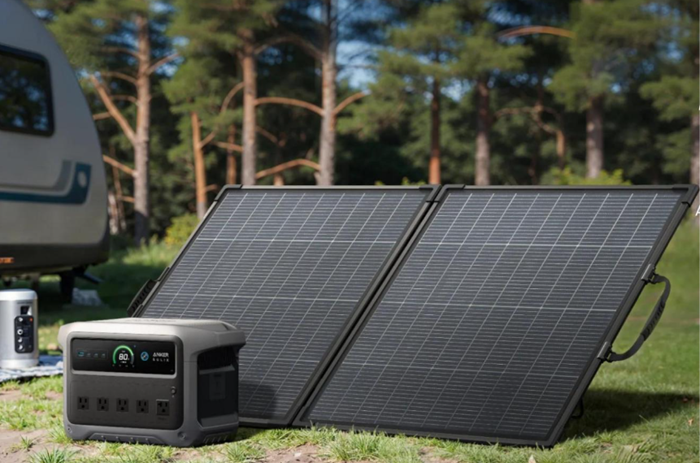
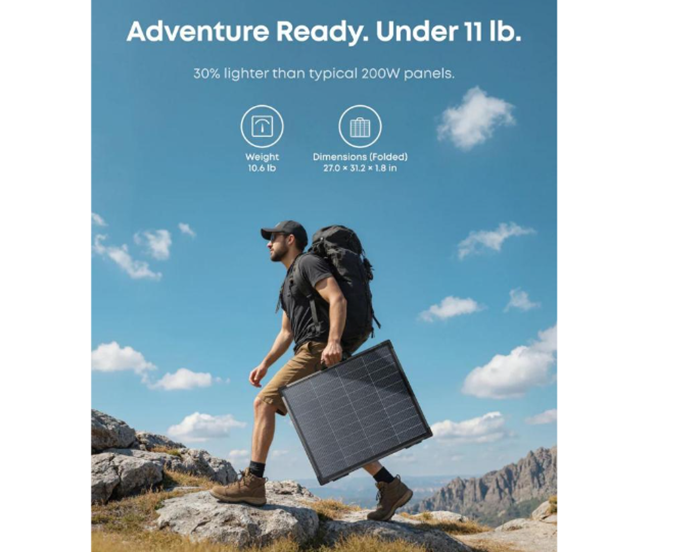
Reliable off-grid power comes from choosing durable, properly matched equipment. Start with solar panels sized for your daily load, then pair them with a battery bank that can cover overnight use and at least some low-sun periods. Add a charge controller rated for the panel voltage and current, plus an inverter sized for both continuous power and appliance surge demands. Use correctly rated cables, connectors, breakers, and fuses to protect the system and reduce losses. For portable off-grid use, the Anker SOLIX PS200 Bifacial Portable Solar Panel is designed for flexibility. It weighs just 11 lb including the stand, is foldable for transport, delivers up to 10% more power with dual-sided output, and uses N-type cells with 25%+ conversion efficiency. It also features an IP68 waterproof rating, a reinforced aluminium frame, a 10-year lifespan, and a 5-year warranty.
Position Solar Panels for Maximum Sunlight
Solar panel placement has a major effect on off-grid performance, so aim for the longest daily exposure to direct sunlight. Set panels where trees, buildings, vents, or roof features will not cast shadows during key production hours. Even partial shade can cut output noticeably. In fixed installations, face panels toward the strongest sun path for your hemisphere and use a tilt angle that supports seasonal production. Steeper angles often help winter output, while moderate angles work well year-round. For portable systems, reposition panels during the day when possible and take advantage of reflective surfaces such as sand, concrete, or snow to improve bifacial gain. Keep panels clean, secure, and well ventilated, since dirt and excess heat can reduce efficiency. Good placement increases charging speed, improves battery recovery, and makes the full solar setup more dependable.
Choose Reliable Solar Panels for Long-Term Performance
Key Features to Look for Before Buying
Focus on panel efficiency, weather resistance, frame durability, portability, connector compatibility, and warranty coverage. Also check real-world usability features such as integrated stands, folding design, cable length, and ease of setup. For off-grid use, panels should balance strong output with practical handling and dependable outdoor protection over repeated use.
Explore Anker SOLIX Solar Panels for Flexible Off-Grid Power
Anker SOLIX solar panels suit off-grid users who need portable, durable power collection for cabins, RVs, or backup locations. Their portable design supports fast deployment, while rugged construction helps them handle changing outdoor conditions. For users building a flexible system, they offer a practical option for dependable energy capture away from the grid.
The best solar panel setup ideas for off-grid living start with accurate energy calculations and end with a system built for consistent daily use. When you size the array correctly, choose reliable components, and place panels for strong sun exposure, off-grid power becomes far more efficient and dependable. Focus first on your essential loads, then add enough battery storage and solar capacity to keep them running through normal fluctuations in sunlight. Durable, portable panel options can also make setup easier in mobile or remote situations. With solid planning and quality equipment, an off-grid solar system can support a comfortable, practical, and resilient lifestyle.