
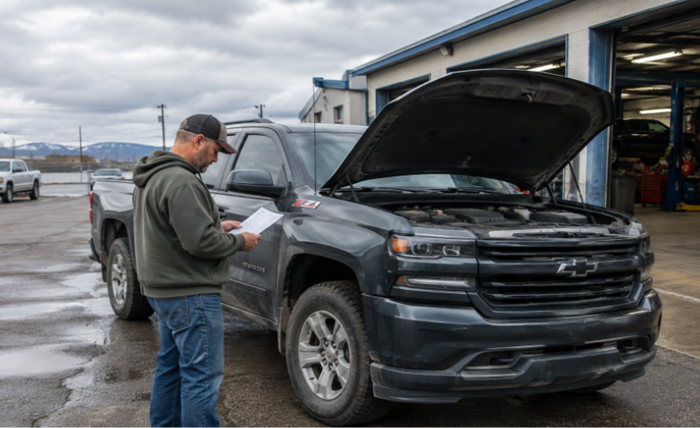
A pickup truck that repeatedly returns to the shop can disrupt far more than a commute. For Colorado owners, a truck may be essential for mountain travel, job-site equipment, towing, rural roads, or getting through changing winter conditions. When the same issue keeps coming back, it is time to move beyond frustration and create an organized plan. Repeated visits do not automatically mean a vehicle qualifies for a particular legal remedy, because the answer can depend on the truck’s age, warranty status, repair history, and applicable state rules. Still, owners researching Colorado lemon law claims should begin by carefully documenting the problem and addressing any immediate safety concerns.
When Repairs Become a Pattern
A one-time repair is not necessarily a pattern. A pattern begins to emerge when the same warning light, vibration, loss of power, shifting concern, leak, or starting problem returns after service. It can also arise when several separate repairs affect the truck’s reliability or safe operation. For example, a truck may visit a dealer for rough shifting, receive a software update, and then return weeks later with the same shuddering or delayed response. The later repair order may use different wording, but the owner should compare the symptoms, mileage, and technician notes. The key question is whether the original concern was actually resolved. Keep an open mind about the cause. A recurring symptom might involve a part, wiring, programming, a fluid leak, an intermittent condition, or a diagnosis that did not identify the underlying problem. Written records make it easier to see those connections.
Warning Signs That Need Quick Attention
Some issues call for prompt professional help rather than continued driving. Colorado’s steep grades, sudden weather shifts, and long stretches between services can make a loss of vehicle control or power especially serious.
Symptoms to treat as potential safety concerns
- Reduced steering response, a locked steering wheel, or an unexpected steering warning.
- Brake warnings, a soft brake pedal, reduced braking performance, or pulling during braking.
- Sudden loss of power, repeated stalling, or difficulty accelerating into traffic.
- Unexpected gear changes, slipping, or an inability to select a gear normally.
- Smoke, burning odors, fuel leaks, or unusual heat from the engine area.
- Airbag, seat belt, or restraint-system warnings.
- Water intrusion that reaches electrical connections, controls, or the cabin floor.
If a problem creates an immediate driving risk, pull over safely when possible and arrange towing or professional assistance. Do not assume a warning will disappear permanently because the truck restarts or the light turns off.
How to Build a Strong Repair File
A repair file can begin with a phone folder, cloud storage account, or paper binder. The goal is to create a timeline that shows what happened, what the shop found, and whether the repair worked.
- Save every repair order, invoice, estimate, inspection report, and parts receipt.
- Record the date, mileage, exact symptoms, and driving conditions when the problem occurred.
- Track every day the truck stays at a dealer, independent shop, or body shop.
- Keep emails, text messages, appointment confirmations, and names of people involved.
- Take clear photos or videos of warning lights, leaks, visible damage, and unusual dashboard messages.
- Ask for plain-language descriptions of the complaint, diagnosis, repair, and final test result.
A complete timeline is more useful than a stack of disconnected receipts. It can show that a symptom appeared before the warranty deadline, that the truck was returned for the same concern, or that a repair took longer than expected due to parts or additional testing.
How to Check for Recalls and Safety Reports
A safety recall is different from an ordinary warranty repair. A recall addresses a safety-related defect or a failure to meet a federal safety standard. A technical service bulletin generally provides repair guidance to service departments, while a customer-service campaign may offer manufacturer-directed repairs that are not safety recalls. Use the truck’s 17-character VIN when checking for open recalls. The NHTSA VIN recall search can identify unrepaired safety recalls for a specific vehicle, while a year, make, and model search can provide broader information about complaints, investigations, and manufacturer communications. Also, ask the repair facility whether any applicable recall work has already been completed.
Warranty Coverage and Service Contracts
Before approving another repair, ask whether the truck is still under its factory warranty and whether the failed component is covered under it. Confirm whether diagnostic time, towing, rental transportation, and replacement parts are included, as these details may vary by warranty terms. A factory warranty and an optional service contract are not the same thing. Understanding the differences between auto warranties and service contracts can help you make an informed decision. Service contracts are separately purchased agreements that can have their own deductibles, approval requirements, mileage limits, exclusions, and repair-facility rules. Read the contract before authorizing work and keep a copy with the repair file.
What to Ask the Repair Shop
Clear questions can keep the repair conversation focused and reduce misunderstandings. Ask the service advisor or technician:
- What caused the failure, and how was that cause confirmed?
- Was this concern reported on an earlier visit?
- What parts were inspected, repaired, or replaced?
- Did the repair involve a software update or service bulletin?
- What testing was completed after the repair?
- What should happen if the same symptom returns?
Request answers in writing when possible. A useful repair order should reflect the owner’s complaint, the shop’s diagnosis, the work performed, and the vehicle’s condition when released.
Why Days Out of Service Matter
Downtime deserves a separate place in the repair log. Even a modest repair bill can create serious inconvenience when a truck is unavailable for hauling, work, school runs, family travel, or access to remote parts of Colorado.
- Count each calendar day the truck remains at the repair facility.
- Note delays related to parts, authorization, inspections, or repeat testing.
- Save receipts for towing, rental vehicles, rideshares, lodging, and other related expenses.
- Record whether the truck was returned with the same issue still present.
What to Do After Another Failed Repair
After a repeat repair fails, stay calm and work from the record. First, stop driving if the problem affects safety. Then contact the shop, describe the continuing symptom, and request the newest repair order. Compare it with earlier paperwork, including the complaint description and mileage. Ask whether a manufacturer representative or technical specialist can review the concern. If the diagnosis remains unclear, an independent inspection may help identify visible conditions or provide another professional assessment. Review the warranty, service contract, and consumer-protection options that may apply to the truck’s situation.
Common Mistakes Truck Owners Make
- Waiting to report a serious warning involving brakes, steering, fuel, or power loss.
- Relying only on verbal assurances instead of collecting written repair records.
- Throwing away repair orders after the vehicle seems to be fixed.
- Failing to confirm whether recall work was completed.
- Approving expensive repairs without asking what caused the failure.
- Assuming every repair is covered by the same warranty or contract.
Repeated truck repairs are easier to evaluate when the owner has a complete history. Save the documents, track the downtime, ask precise questions, and treat safety-related symptoms seriously. Those practical steps provide a clearer basis for deciding what to do if the truck returns to the shop again.
Conclusion
Repeated pickup truck problems can create safety concerns, unexpected costs, and significant downtime, particularly when the truck is needed for work, travel, towing, or daily transportation. A practical response starts with careful documentation rather than assumptions about what the problem means or what outcome may follow. Keep repair orders, invoices, diagnostic information, communications, and downtime records organized, and compare each new repair with earlier visits to identify recurring concerns. Check for open recalls using the truck’s VIN and review any applicable warranty or service contract coverage before authorizing major work. When a repair does not resolve the issue, ask focused questions, request written explanations, and consider an independent inspection when appropriate. These steps can give owners a clearer understanding of the truck’s history and help them make informed decisions about future repairs and available options.