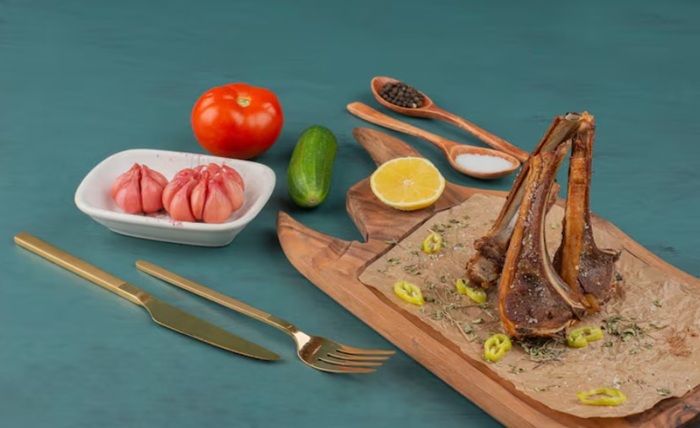
A crown rack of lamb is a visually stunning and flavorful centerpiece that elevates any dining occasion. This classic preparation involves carefully shaping two racks of lamb into a circular crown, which not only enhances the presentation but also ensures even roasting. The process requires attention to detail, from Frenching the bones to seasoning and tying the racks together. Once roasted, the crown rack of lamb delivers tender, juicy meat with a beautiful golden crust, making it a favorite for festive gatherings and elegant dinners. Understanding each step is essential for achieving both impressive appearance and delicious results.
Steps to create and serve a crown rack
Selecting and Preparing the Lamb Racks
Choosing the right lamb racks is the foundation for a successful crown roast. Look for two racks of lamb, each with eight ribs, as this size forms a balanced and symmetrical crown. The meat should be fresh, with a vibrant red color and a fine layer of creamy white fat. Before shaping the crown, the racks must be Frenched, which means trimming the fat and meat from the ends of the rib bones to expose them. This not only enhances the visual appeal but also prevents the bones from burning during roasting. Some butchers offer pre-Frenched racks, but doing it yourself allows for more control over the final look. After Frenching, inspect the racks for any remaining sinew or excess fat and remove them to ensure a clean presentation. The next step is to season the meat generously with salt, pepper, and any preferred herbs or spices, allowing the flavors to penetrate before assembling the crown.
Forming and Securing the Crown Shape
Once the racks are prepared, forming the crown is a crucial step that requires patience and precision. Stand the two racks upright with the bones facing outward and the meaty sides touching. Curve them gently to form a circle, overlapping the ends slightly to create a seamless ring. Use kitchen twine to tie the racks together at both the base and the exposed bones, ensuring the crown holds its shape during roasting. Some cooks insert a small ball of foil or a ramekin in the center to help maintain the structure and prevent the crown from collapsing. At this stage, additional aromatics such as garlic, rosemary, or thyme can be tucked between the ribs or placed inside the crown for extra flavor. The assembled crown should be stable and evenly shaped, ready to be transferred to a roasting pan. This method of preparation is distinct from a lamb shoulder roast recipe, as it focuses on presentation and the unique structure of the crown, making it a showpiece for any meal.
Roasting the Crown Rack of Lamb
Roasting the crown rack of lamb is a process that balances achieving a flavorful crust with keeping the interior tender and juicy. Preheat the oven to a moderate temperature, usually around 375°F (190°C), to allow for even cooking. Place the crown in a roasting pan, bone tips up, and if desired, fill the center with a stuffing mixture or leave it empty for a more minimalist look. Basting the meat with olive oil or melted butter helps develop a golden, crisp exterior. During roasting, monitor the internal temperature with a meat thermometer, aiming for medium-rare to medium doneness, which is typically reached at 130°F to 135°F (54°C to 57°C). The crown should be rotated if necessary to ensure even browning on all sides. Once the desired temperature is reached, remove the roast from the oven and let it rest, tented with foil, for at least 10 minutes. Resting allows the juices to redistribute, resulting in moist, flavorful slices when carved. The aroma of roasted lamb combined with herbs and spices creates an inviting atmosphere, setting the stage for an impressive presentation.
Presentation and Carving Tips
Presenting the crown rack of lamb is as important as its preparation. Transfer the rested crown to a large serving platter, removing any twine and foil or ramekin from the center. For a festive touch, the exposed rib bones can be capped with decorative paper frills, adding a classic flourish. If the center was left empty, it can be filled with a colorful medley of roasted vegetables, a savory stuffing, or fresh herbs for added visual appeal. Carving the crown is straightforward: use a sharp carving knife to slice between the ribs, creating individual chops with a portion of the tender meat attached. Serve each chop with a spoonful of the chosen accompaniment, allowing guests to appreciate both the flavor and artistry of the dish. The combination of succulent lamb, aromatic herbs, and elegant presentation makes the crown rack a memorable highlight for any gathering.
Serving Suggestions (100 words)
A crown rack of lamb pairs beautifully with a variety of side dishes and sauces. Classic accompaniments include roasted root vegetables, creamy mashed potatoes, or a vibrant green salad. For added depth, consider serving with a rich red wine reduction or a mint-infused sauce. The flavors of the lamb are complemented by earthy ingredients such as mushrooms, lentils, or caramelized onions. When planning the meal, choose sides that balance the richness of the meat and enhance the overall dining experience. The crown rack’s impressive appearance and harmonious flavors make it a centerpiece worthy of any celebration.
Conclusion
Preparing a crown rack of lamb for roasting and presentation is a rewarding culinary endeavor that combines careful technique with creative flair. From selecting and Frenching the racks to forming the crown and roasting it to perfection, each step contributes to a dish that is both visually stunning and delicious. The process requires attention to detail, but the result is a tender, flavorful roast that serves as a memorable centerpiece for any special occasion. With thoughtful seasoning, precise roasting, and elegant presentation, a crown rack of lamb transforms an ordinary meal into an extraordinary dining experience, delighting both the eyes and the palate.