
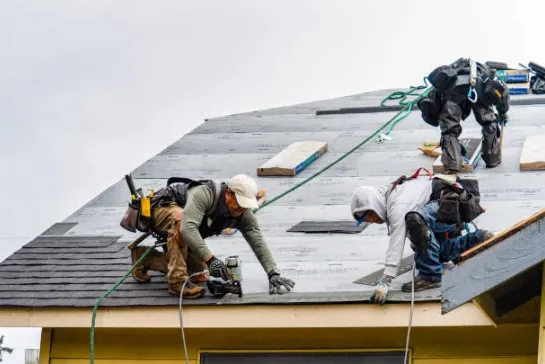
When people think about aging homes, they usually picture creaky floors, drafty windows, or outdated interiors. What rarely gets attention is the part of the house that ages first and fastest. The roof carries more stress than any other component, and in older homes, that stress compounds year after year. By the time homeowners start thinking about residential roof repair in New York, the roof has often been aging ahead of everything else.
This is not about neglect. It is about how time, design, and materials interact at the highest point of the house.
Older Homes Were Built for a Different Climate Reality
Many older homes were constructed under assumptions that no longer hold true. Weather patterns were more predictable. Temperature swings were less extreme. Roofing materials were designed to last, but not under constant modern stress.
Today, roofs face heavier rain cycles, stronger wind patterns, and longer heat exposure. Older roofing systems were not engineered for that level of ongoing pressure. Over time, this mismatch causes accelerated aging from the top down.
The rest of the house often stays structurally sound while the roof quietly struggles.
Roofing Materials Age Before They Look Old
One of the most misleading things about older homes is that the roof can appear stable long after it has begun to fail internally. Shingles harden, seals dry out, and fasteners loosen without dramatic visual change.
Materials lose flexibility before they crack. Once flexibility is gone, the roof cannot adapt to temperature shifts. That rigidity leads to micro damage that spreads slowly across the surface.
This hidden aging is a major reason residential roof repair in New York often reveals more issues than expected in older properties.
Structural Settling Affects Roof Performance
As homes age, they settle. This settling is normal, but it subtly changes how weight and pressure distribute across the structure. Roof framing adjusts along with the rest of the house, sometimes creating uneven stress points.
Small shifts can open gaps around flashing, vents, and joints. These gaps allow moisture intrusion that stays unnoticed for years. Unlike newer homes with modern fastening systems, older roofs often lack the flexibility to absorb these changes gracefully.
The result is slow degradation that starts at the roof and works its way inward.
Ventilation Standards Have Changed Significantly
Older homes often lack proper attic ventilation by today’s standards. In the past, ventilation was minimal or poorly planned. Heat buildup beneath the roof was common and accepted.
That trapped heat shortens the life of roofing materials from below. Shingles dry out faster. Wood components weaken. Moisture becomes trapped during colder months, creating a cycle of expansion and contraction that accelerates aging.
Even when the roof looks fine from the outside, poor airflow continues to wear it down internally.
Repairs Layered Over Time Create Weakness
Older homes often carry the history of multiple repairs. New shingles placed over old layers. Patches added instead of full fixes. Sealants reapplied repeatedly.
While these solutions work temporarily, they add weight and complexity to the roof system. Layers trap heat and moisture. Inconsistent materials expand and contract at different rates.
Over decades, this patchwork approach contributes to uneven aging and increases the likelihood that residential roof repair in New York becomes necessary sooner rather than later.
Flashing and Joints Age Faster Than Open Surfaces
Flat, open areas of the roof get attention, but the real aging happens at joints. Chimneys, valleys, skylights, and vents rely on flashing and seals that degrade faster than surrounding materials.
Older flashing materials may corrode, crack, or separate as homes settle. These failures allow water to enter without obvious leaks. Moisture then travels along framing, affecting areas far from the original entry point.
Because the damage spreads invisibly, the roof continues aging while the interior remains quiet.
Maintenance Habits Were Different in the Past
Modern homeowners are more aware of preventative maintenance. Older homes often went long periods without roof inspections simply because problems were not visible.
Decades of minimal attention allow small issues to grow unchecked. Even well built roofs suffer when minor wear goes unnoticed year after year.
This long term accumulation explains why older homes often need residential roof repair in New York even when no single dramatic failure ever occurred.
Sun Exposure Takes a Bigger Toll Over Time
Sunlight is one of the most destructive forces a roof faces. Ultraviolet exposure breaks down roofing materials slowly but relentlessly.
Older roofing materials were less resistant to prolonged UV exposure. Over time, this leads to brittleness, fading, and surface cracking. Roofs facing constant sun age faster than shaded sections, creating uneven wear patterns.
These differences can stress the roof structure and shorten overall lifespan.
Why Problems Appear Suddenly in Older Homes
Homeowners often describe roof issues in older homes as sudden. One season everything seems fine, and the next season there is visible damage.
In reality, the roof reached a tipping point. Years of gradual aging finally exceeded the material’s ability to compensate. What feels sudden is actually the final stage of a long process.
This is why residential roof repair in New York frequently feels urgent once symptoms appear in older properties.
Aging From the Top Down Is Inevitable
No home ages evenly. Gravity, weather, and exposure ensure that the roof absorbs more stress than any other part of the structure. In older homes, that imbalance becomes more pronounced with time.
Understanding that aging begins at the top helps explain why roof issues often surface before other major problems. The roof is not failing early. It is simply doing the hardest job the longest.