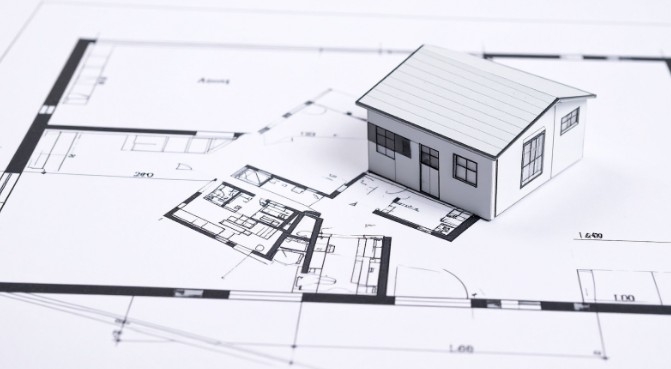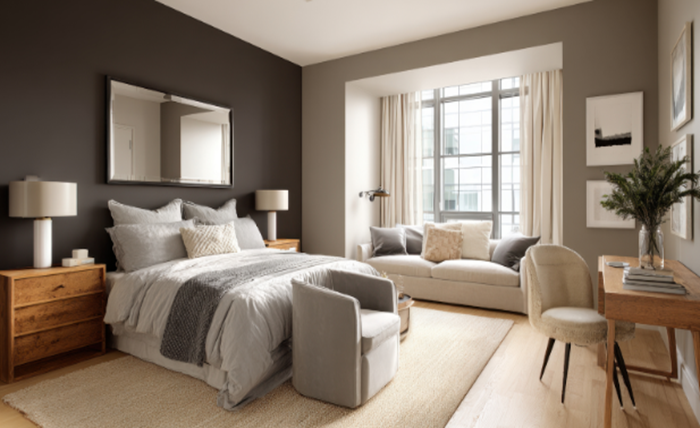
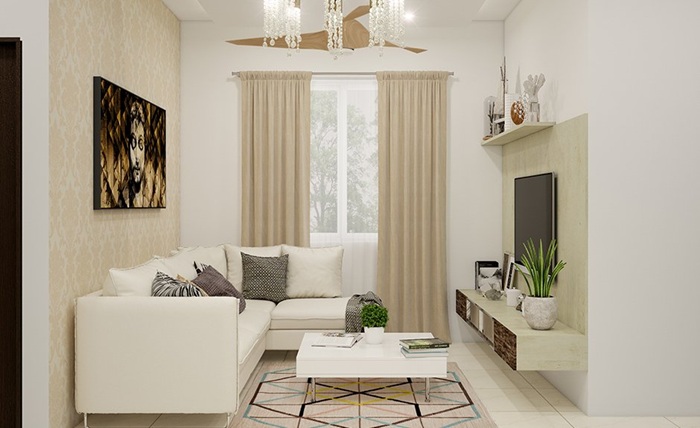
A home’s exterior is more than just the first thing guests see; it’s a reflection of your personal style, a statement of curb appeal, and a factor that can significantly impact property value. Home exterior design is an art that blends aesthetics, functionality, and environmental considerations, creating spaces that are both beautiful and practical. Whether you’re building a new house or updating an older one, understanding the key elements of exterior design can help you achieve a harmonious, eye-catching look.
1. Understanding Your Home’s Architecture
The first step in designing your home’s exterior is recognizing the architectural style of your house. Different styles—from contemporary to colonial—have distinct characteristics that influence the choice of materials, colors, and landscaping. For instance, a modern home may emphasize clean lines, large windows, and minimal ornamentation, whereas a Victorian house may call for intricate trim, decorative shutters, and textured siding. Aligning your exterior design with the architectural style ensures consistency and timeless appeal.
2. The Power of Color
Color is one of the most influential aspects of exterior design. A well-chosen palette can enhance architectural features, create visual interest, and evoke specific moods. Neutral colors like beige, gray, or white offer a classic and versatile backdrop, allowing landscaping and architectural details to shine. Bold colors, such as deep blue or forest green, can make a statement and add personality. Many designers recommend using the 60-30-10 rule: 60% dominant color for main surfaces, 30% secondary color for trim or accents, and 10% highlight color for doors, shutters, or decorative features.
3. Materials That Make a Difference
Selecting materials for the exterior of your home impacts both aesthetics and durability. Popular options include:
- Wood: Offers warmth and natural beauty, but requires regular maintenance to prevent weathering.
- Brick: Classic and long-lasting, it adds texture and charm.
- Stone: Ideal for a sophisticated or rustic look, particularly for accents or foundation walls.
- Fiber cement: A durable, low-maintenance alternative that mimics wood or stone.
- Stucco: Often used in Mediterranean or Spanish-style homes, providing a smooth, clean finish.
Mixing materials can add depth and interest. For example, pairing stone accents with wooden siding can create a balanced, layered appearance. Additionally, incorporating vibrant Crazy Pave Tiles in patios or walkways can create a striking visual contrast while maintaining durability.
4. Windows and Doors: Function Meets Style
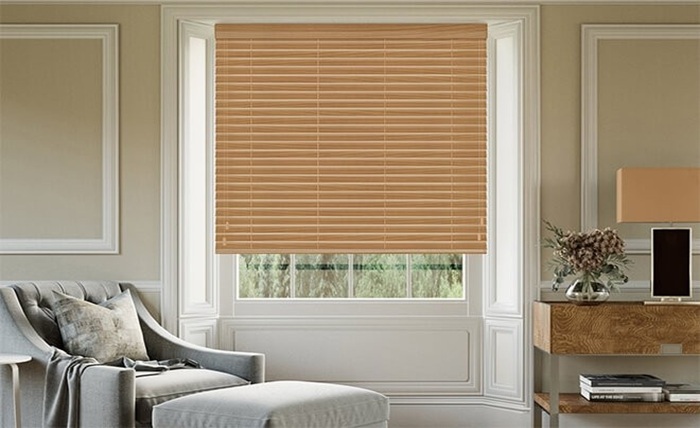
Windows and doors are functional elements that dramatically shape a home’s exterior. The size, placement, and design of windows affect light, ventilation, and visual appeal. Large windows create a modern, open look, while small, divided-pane windows suit traditional homes. Front doors serve as focal points—choosing a bold color, elegant material, or decorative hardware can instantly elevate your exterior design. For a cohesive look, match the style of your door with window frames and other trim elements.
5. Rooflines and Overhangs
The roofline defines the silhouette of a house and can make or break exterior harmony. Gabled roofs, flat roofs, hipped roofs, and combinations each create unique visual effects. Overhangs not only protect walls from rain but also add architectural interest. Choosing roofing materials that complement siding colors and textures—such as asphalt shingles, metal roofing, or clay tiles—enhances overall curb appeal.
6. Landscaping and Outdoor Spaces
No exterior design is complete without attention to the surrounding landscape. Plants, trees, lawns, and hardscapes frame the home and soften harsh edges. Consider layering plant heights, textures, and colors to create dynamic visual interest. Hardscaping elements like walkways, patios, and retaining walls should integrate seamlessly with the home’s style. Outdoor lighting further enhances curb appeal, highlighting pathways, architectural features, and focal points in the evening.
7. Garage and Driveway Design
Often overlooked, the garage and driveway play a crucial role in exterior design. A garage door that complements the style and color of the house can elevate the overall look. Decorative materials like carriage-style doors, steel panels, or wood finishes add character. Driveways made of stamped concrete, pavers, or gravel can enhance texture and visual appeal while maintaining functionality.
8. Sustainability and Modern Innovations
Today’s homeowners are increasingly focused on sustainability. Using eco-friendly materials, energy-efficient windows, and solar panels can reduce environmental impact and energy costs. Rainwater harvesting, green roofs, and drought-resistant plants are additional ways to combine functionality with modern exterior design trends.
9. Personal Touches and Accents
Finally, adding personal touches makes your home truly unique. Decorative shutters, trim, house numbers, and lighting fixtures provide subtle yet impactful details. Seasonal decorations, hanging plants, or a customized mailbox can add charm and personality. These elements make your home stand out while reflecting your personal style.
Conclusion
Home exterior design is a combination of art, architecture, and practicality. From choosing colors and materials to incorporating landscaping and personal accents, every decision contributes to a cohesive, visually appealing result. A well-designed exterior not only enhances curb appeal but also increases the home’s value and creates a welcoming environment. By understanding the principles of design and paying attention to details, homeowners can transform ordinary facades into stunning, memorable homes.
Whether you’re renovating an existing property or designing a new one, focusing on architectural harmony, material selection, landscaping, and personal style ensures that your home exterior will stand out for years to come. The key is balance—blending aesthetics, function, and sustainability to create a space that is as beautiful as it is practical.