
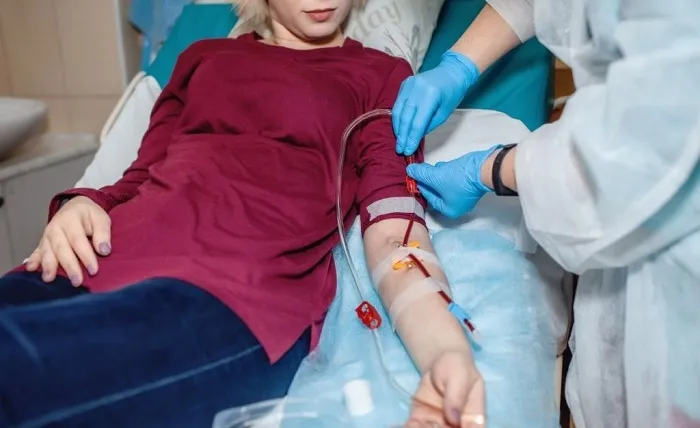
Specialized infusion services have evolved from simple IV delivery into a complex, patient-centered suite of therapies that treat chronic disease, manage complex nutrition, and deliver cutting-edge biologics and chemotherapy. As medicine shifts toward outpatient care and home-based models, providers must design infusion programs that optimize safety, outcomes, and patient experience. This article outlines the clinical types of infusion therapy, the benefits to patients and health systems, and the operational realities of building a high-performing program, so clinical leaders, administrators, and healthcare marketers can make informed decisions about implementing or promoting specialized infusion services.
Understanding Specialized Infusion Services
Specialized infusion services refer to coordinated clinical programs that administer intravenous (IV), subcutaneous, or intramuscular therapies outside, or plus to, the traditional inpatient setting. These services encompass a broad range of interventions: antimicrobial infusions for prolonged infections, biologics for autoimmune disease, chemotherapy for oncology patients, total parenteral nutrition (TPN) for those who cannot use the gastrointestinal tract, and advanced immunotherapies.
Beyond the drug itself, specialization implies protocols, trained clinicians, equipment, and care pathways tailored to high-acuity or complex patients. That includes catheter selection and maintenance, personalized dosing schedules, adverse event preparedness, and patient education for self-care when treatment moves into the home. Specialized infusion services bridge acute care and ambulatory medicine, reducing hospitalization days while maintaining, or improving, clinical outcomes.
Clinicians and organizations launching these services should view them as multidisciplinary programs that combine nursing competency, pharmacy oversight, infectious disease or oncology partnerships, and robust operational systems to support scheduling, documentation, and billing.
Common Types Of Infusion Therapies And Clinical Indications
Infusion therapy categories overlap in clinical use and delivery requirements. Below are core modalities providers encounter when building a comprehensive program.
Peripheral Intravenous Therapy, Midline, And PICC Lines
Peripheral IVs are suitable for short-term, low-irritant infusions. Midline catheters extend dwell time (up to 30 days) for therapies that exceed peripheral IV life but don’t require central access. Peripherally inserted central catheters (PICC) provide central venous access for prolonged antibiotics, TPN, or vesicant chemotherapy. Each device has unique insertion, maintenance, and complication profiles: choosing the right access reduces phlebitis, extravasation, and readmission risk.
Home Infusion And Ambulatory Infusion Services
Home infusion enables patients to receive IV antibiotics, hydration, or biologics outside hospital walls. Ambulatory infusion centers (AICs) serve patients who need monitoring but not inpatient beds, offering flexibility and lower cost-per-visit. Home and outpatient models require patient selection criteria, remote monitoring protocols, and partnerships with home health agencies or specialty pharmacies.
Oncology Infusions And Chemotherapy Administration
Oncology infusions demand oncology-certified nurses, oncology pharmacy services, and rigorous chemotherapy-safe handling. Infusion centers equipped for oncology manage premedication protocols, extravasation kits, and rapid response pathways for infusion reactions. Infusion centers can significantly reduce time-to-treatment and improve patient convenience compared with inpatient chemotherapy delivery.
Biologics, Immunotherapies, And Targeted Therapies
Biologics and immunotherapies, ranging from monoclonal antibodies to checkpoint inhibitors, carry unique infusion reaction risks and often require weight-based dosing, extended infusion durations, and post-infusion observation. Specialized programs train staff to recognize cytokine release syndromes and other immune-related adverse events and coordinate with specialty pharmacies for cold-chain handling and drug stability.
Total Parenteral Nutrition (TPN) And Complex Nutritional Support
TPN supports patients with intestinal failure, severe malabsorption, or perioperative needs. TPN programs need meticulous electrolyte management, catheter care to prevent catheter-related bloodstream infections (CRBSIs), and dietitian-led monitoring. Because TPN is high-risk and resource-intensive, many institutions centralize it within specialized nutrition support teams.
Benefits Of Specialized Infusion Services For Patients And Systems
Specialized infusion services deliver measurable advantages across clinical, experiential, and financial dimensions.
Improved Clinical Outcomes And Symptom Control
When therapies are delivered via protocols overseen by trained clinicians, outcomes improve. Examples include fewer line-related complications, timely completion of antibiotic courses that prevent readmission, and better management of infusion reactions. For oncology and immunotherapy patients, consistent monitoring reduces emergency department utilization and enables safer, uninterrupted therapy cycles.
Enhanced Patient Experience And Quality Of Life
Outpatient and home infusion models reduce hospital stays and travel burden. Patients regain daily routine, caregivers experience less disruption, and many prefer receiving care in familiar settings. Education and clear escalation plans further empower patients, leading to higher satisfaction and adherence.
Cost, Throughput, And Care Continuity Advantages
From a systems perspective, specialized infusion centers lower inpatient length of stay and free up acute beds. Ambulatory infusion often costs less per encounter than inpatient care, improves throughput, and supports value-based care objectives. Continuity is enhanced when programs integrate pharmacy services, nursing, and case management, creating smoother transitions across care settings.
Clinical And Operational Considerations For Delivery
Delivering specialized infusion services requires intentional planning across people, processes, and technology.
Staffing, Training, And Competency Requirements
Staffing models should include infusion nurses with specialty certifications, dedicated pharmacy pharmacists for sterile compounding and dispensing, and physician oversight (infectious disease, oncology, or nutrition specialists). Ongoing competency validation, for catheter insertion, drug handling, and emergency protocols, reduces adverse events. Cross-training increases flexibility during staffing shortages.
Safety Protocols, Infection Prevention, And Adverse Event Management
Robust infection prevention bundles (chlorhexidine skin prep, line dressing protocols, and routine surveillance) minimize CRBSIs. Safety protocols must cover immediate management of anaphylaxis, cytokine release, and extravasation, plus standardized escalation and documentation. Simulation drills help teams maintain readiness.
Monitoring, Documentation, And Technology Integration
Integration of infusion scheduling software with electronic health records streamlines orders, dosing calculations, and documentation. Remote monitoring, via telehealth check-ins or wearable vitals, supports home infusion safety. Clear documentation improves handoffs, billing accuracy, and compliance with quality measures.
Designing And Implementing A Specialized Infusion Program
A staged approach helps organizations scale safely from pilot to full program.
Site Selection: Inpatient, Outpatient Infusion Centers, And Home Care Models
Choice of site hinges on patient acuity and volume. Inpatient infusion suites support complex or unstable patients: outpatient centers offer scheduled, monitored care for stable patients: home infusion reduces costs and maximizes convenience for appropriate candidates. Hybrid models, where urgent infusions occur inpatient and maintenance occurs at home, often succeed.
Workflow, Scheduling, And Patient Selection Criteria
Effective workflow reduces wait times and unnecessary admissions. Triage algorithms determine who is eligible for home infusion versus outpatient chair time. Scheduling should balance predictable long infusions with same-day needs: extended hours or weekend availability increases capacity and patient choice.
Telehealth, Remote Monitoring, And Patient Education Strategies
Telehealth complements infusion programs by enabling pre-infusion assessments, post-infusion follow-ups, and remote troubleshooting. Remote monitoring devices can detect early vital sign changes, while structured education, multimodal and language-appropriate, improves adherence and reduces complications. Patient-facing portals that show infusion schedules and escalation steps increase confidence and reduce calls to clinical staff.
Quality Measurement, Compliance, And Reimbursement
Financial viability and regulatory compliance underpin sustainable infusion services.
Key Performance Indicators And Clinical Metrics To Track
Programs should monitor CRBSI rates, infusion reaction rates, therapy completion percentages, readmission rates, chair/bed utilization, patient satisfaction scores, and average cost per infusion episode. Tracking these KPIs enables benchmarking and targeted improvement.
Regulatory, Accreditation, And Billing Considerations
Compliance with state nursing scope, USP <797>/<800> sterile compounding standards, and CMS billing rules is essential. Accreditation from organizations like The Joint Commission or ACHC signals quality and facilitates payer relationships. Accurate billing, differentiating administration codes, drug acquisition costs, and site-of-care modifiers, avoids denials and supports revenue integrity.
Continuous Improvement And Patient Safety Culture
A learning culture encourages reporting of near misses and regular process reviews. Multidisciplinary morbidity-and-mortality reviews, ongoing staff education, and patient feedback loops drive iterative improvements. Technology, dashboards and alerts, helps leaders act on real-time data.
Conclusion
Specialized infusion services are a strategic capability for health systems seeking to deliver advanced therapies safely, cost-effectively, and with strong patient experience. When clinical rigor, operational design, and technology converge, infusion programs reduce hospital utilization, improve outcomes, and expand access to complex care, whether in an ambulatory center or the patient’s home.
For healthcare organizations and marketers promoting these services, emphasizing safety protocols, clinician expertise, and patient-centered models will differentiate offerings in a crowded market. Agencies that support healthcare providers, like those focused on bringing highly targeted messaging to clinical audiences, can help communicate program strengths to referral networks and payers. In short, a well-designed infusion service is both a clinical asset and an operational advantage in modern care delivery.