
Your home’s exterior isn’t just about curb appeal, it’s actually the first line of defense against the elements and plays a surprisingly crucial role in determining how efficiently your property uses energy throughout the year. Sure, many homeowners get excited about upgrading appliances or installing programmable thermostats, but they often miss the bigger picture: the outer shell of their home has a massive impact on overall energy consumption. Think about it this way, your home’s exterior directly influences heating and cooling costs, determines indoor comfort levels, and even affects your carbon footprint. When you understand how different exterior elements work together to impact energy efficiency, you’ll be empowered to make smarter decisions about upgrades and maintenance that can lead to substantial savings on utility bills while making your home more comfortable.
Incorporating energy-efficient materials into your home’s exterior can significantly reduce energy consumption. For instance, using reflective roofing materials can help deflect sunlight, keeping your home cooler in the summer. Additionally, proper insulation in walls and attics prevents heat loss during colder months, maintaining a comfortable indoor temperature year-round. Landscaping also plays a crucial role; strategically placed trees and shrubs can provide natural shade and windbreaks, further enhancing energy efficiency. To explore more ways to optimize your home’s energy performance, learn more about innovative solutions and expert advice. By making informed choices, you can create a more sustainable and cost-effective living environment.
The Critical Role of Roofing in Energy Conservation
Here’s something most people don’t realize: your roof represents one of the most significant factors affecting your home’s energy efficiency. It bears the brunt of solar radiation and weather exposure day in and day out, year after year. When you’ve got a poorly maintained or outdated roof, conditioned air escapes while outdoor temperatures penetrate your living space, forcing your heating and cooling systems to work overtime. The color and material of your roofing make a substantial difference in energy performance, too. Lighter-colored roofs can reflect more sunlight and reduce heat absorption by up to thirty percent compared to darker alternatives. Modern roofing materials have come a long way, incorporating advanced technologies like reflective coatings and improved insulation properties that significantly enhance energy efficiency. When you’re addressing roof damage or planning energy-efficient upgrades, professionals who need to assess structural integrity and thermal performance often work with Ace Roofing Company to ensure proper installation and ventilation systems. What many homeowners don’t consider is that proper attic ventilation works hand-in-hand with quality roofing to prevent heat buildup during summer months and moisture accumulation during winter, both of which compromise energy efficiency. Regular roof inspections and timely repairs prevent small issues from snowballing into major energy drains that’ll increase your utility costs year after year.
Siding’s Impact on Thermal Performance
The siding on your home does much more than make it look good, it functions as a protective barrier that significantly influences thermal performance and energy consumption patterns. Quality siding materials create an effective envelope that minimizes air infiltration and reduces thermal bridging, which happens when heat transfers through structural elements. Insulated vinyl siding, fiber cement, and engineered wood products offer superior energy efficiency compared to traditional options, with some materials providing R-values that substantially reduce heat transfer. Here’s the thing: the condition of your siding directly affects its energy performance.
Windows and Doors as Energy Efficiency Gateways
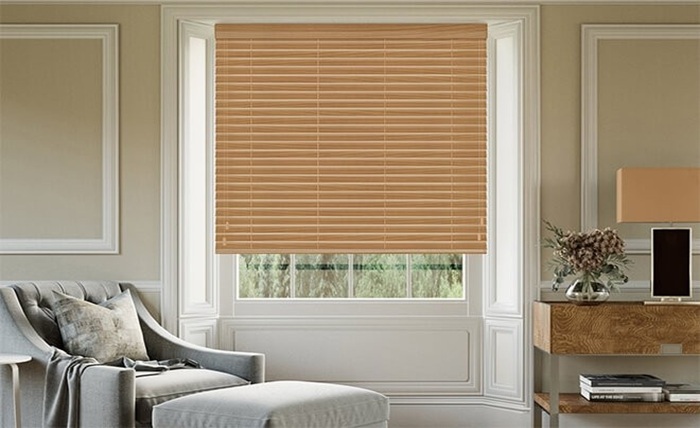
Windows and doors represent critical transition points in your home’s exterior, places where energy efficiency can be gained or lost depending on quality and installation. Single-pane windows are basically energy vampires, allowing up to twenty-five percent of heating and cooling energy to escape from the average home. Modern energy-efficient windows have changed the game, though. They feature multiple panes, low-emissivity coatings, and gas fills between panes that dramatically reduce thermal conductivity while still letting natural light stream through.
Foundation and Wall Insulation Considerations
The foundation and exterior walls of your home establish the baseline for energy efficiency performance that affects comfort and utility costs year-round. Adequate insulation in exterior walls prevents thermal bridging and maintains consistent indoor temperatures regardless of whatever’s happening with the weather outside. Many older homes lack sufficient wall insulation, which results in cold spots during winter and excessive heat gain during summer, forcing HVAC systems to cycle more frequently than they should. Foundation insulation prevents heat loss through basement and crawl space areas, which represent significant sources of energy waste in homes without proper thermal barriers.
Landscaping and External Shade Strategies
Strategic landscaping and external shade structures provide natural energy efficiency benefits that complement your home’s exterior components and reduce reliance on mechanical cooling systems. Deciduous trees planted on the south and west sides of your property work like nature’s air conditioners, they provide shade during summer months while allowing sunlight to warm your home during winter after leaves fall. Here’s an impressive stat: proper tree placement can reduce air conditioning costs by up to thirty-five percent through strategic shading of walls, windows, and roof surfaces. Hardscaping elements like pergolas, awnings, and trellises create shade zones that reduce solar heat gain through windows and doors during those brutal peak afternoon hours.
Conclusion
Your home’s exterior represents a complex system of interconnected components that collectively determine energy efficiency performance and significantly impact utility costs throughout the year. From roofing materials and siding quality to window specifications and foundation insulation, each exterior element contributes to the overall thermal envelope that protects your living space from external temperature fluctuations. Investing in high-quality exterior components and maintaining them properly delivers substantial returns through reduced energy consumption, improved indoor comfort, and extended lifespan of heating and cooling equipment. Pennsylvania homeowners looking to build on those savings can also explore pa electric choice rates to find the most competitive electricity plan available, ensuring that every efficiency upgrade they make is supported by the best possible rate on their energy bill. When you take a comprehensive approach to exterior energy efficiency improvements, you’ll achieve meaningful reductions in utility bills while increasing property value and contributing to environmental sustainability through reduced energy consumption.