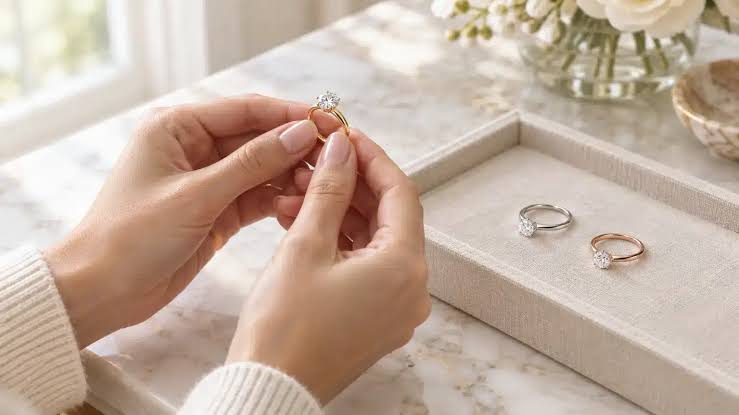
An engagement ring should feel personal, comfortable, and practical long after the proposal. Whether you are shopping together or planning a surprise, start by considering how the ring will be worn every day. From classic solitaires to more intricate designs, lab-grown diamond solitaire rings can serve as a simple starting point for comparing stone shapes, metal colors, and setting heights.
The best choice is not automatically the largest diamond or the most elaborate design. It is the ring that reflects the wearer’s taste, works with their routine, fits securely, and remains enjoyable to wear throughout work, travel, exercise, celebrations, and everyday tasks.
Why Daily Life Matters
A beautiful ring must also suit real life. Someone who works at a desk may be comfortable with a higher setting, while a nurse, chef, artist, parent of young children, athlete, or tradesperson may prefer a smoother and lower-profile design. Consider how often hands are used, whether gloves are worn, and whether the ring could catch on fabric, hair, equipment, or bags.
Setting height, band width, exposed prongs, and pointed stone corners all influence comfort. A practical choice is not a compromise in style. It is a design that can be worn with confidence rather than stored away for fear of damage or inconvenience.
Start With Personal Style
Look at the jewelry the wearer already reaches for. Do they wear yellow, white, or rose-toned metals? Do they prefer delicate pieces, bold accessories, clean lines, vintage details, or plenty of sparkle? These habits often reveal more than a passing trend.
Save a few favorite ring images, then revisit them after several weeks. If the same qualities still stand out, such as a simple round solitaire, an oval stone, or a textured gold band, those preferences are more likely to feel lasting.
Choose a Diamond Shape
The diamond shape describes the stone’s visible outline, while the cut style relates to the arrangement of its facets. Both affect the ring’s personality, apparent size, and light performance. Comparing the major diamond shapes for engagement rings can help narrow the selection before focusing on individual stones.
- Round: A classic option known for a balanced outline and bright appearance.
- Oval: An elongated silhouette that can create a longer visual line across the finger.
- Pear: A distinctive shape that combines a rounded end with a pointed tip.
- Emerald: A structured, rectangular choice with broad step-cut facets.
- Radiant: A square or rectangular shape with a lively faceted look.
- Cushion: A softer square or rectangular form with rounded corners.
- Marquise: A narrow, dramatic outline with points at both ends.
- Princess: A square shape with crisp corners and a modern profile.
Questions To Ask About Shape
Ask whether the shape fits the wearer’s usual style, looks balanced on their hand, and works with a future wedding band. Pointed shapes, including pear and marquise diamonds, may benefit from protective design features around vulnerable tips. Always view a diamond in more than one lighting environment before deciding.
Compare Ring Settings
The setting is the structure that holds the center stone, and it has a major effect on security, appearance, and daily wear. Prong settings leave more of the stone visible and create an open look. Bezel settings surround part or all of the stone with metal for a smooth profile. Flush settings sit close to the band, while pavé bands add small accent stones along the shank.
Hidden halos add detail beneath the center stone, and cathedral settings use raised shoulders to create height. For active routines, a lower setting may be easier to live with. Ask whether the design catches easily, how the prongs should be checked, and whether the center stone has enough protection for the wearer’s habits.
Select the Right Metal
Metal changes the overall mood of a ring. Yellow gold offers warmth, white gold gives a bright neutral appearance, and rose gold adds a soft pink tone. Platinum is naturally white and dense, which can give a ring a substantial feel. Understanding the basic characteristics of platinum as a metal can also help shoppers compare its feel and appearance with gold options.
Match the metal to existing jewelry when possible, but do not overlook comfort. Consider metal sensitivities, desired weight, surface care, and whether the engagement ring will sit beside a wedding band in the same metal or a contrasting one.
Balance Size and Budget
Carat weight is only one part of a ring’s appearance. Set a spending limit first, then decide where the priorities belong. Some buyers place the greatest value on brightness and cut quality, while others prefer a larger face-up appearance, a particular shape, or a detailed setting.
- Compare visible measurements as well as carat weight.
- Look at stones in different lighting conditions when possible.
- Consider how shape changes the visual footprint of a diamond.
- Leave room for sizing, insurance, maintenance, and future adjustments.
Check Comfort and Fit
Correct sizing helps a ring feel secure without creating pressure. Measure when hands are at a normal temperature, since heat, cold, and activity can affect finger size. Wider bands may feel tighter than narrow bands in the same numerical size, so try on a similar width whenever possible. Check that the inside edge feels smooth and that the ring does not rotate excessively.
Plan for the Wedding Band
Think about the wedding band before finalizing the engagement ring. Some low or wide settings may prevent a straight band from sitting flush, leaving a small gap. A curved, contoured, nesting, or open band can solve that issue while preserving comfort. Try the two-ring combination together if possible, especially when the engagement ring has side stones or a high center setting.
Care and Maintenance
Regular care helps preserve both appearance and security. Remove the ring before swimming, gardening, heavy lifting, household cleaning, or activities that could expose it to impact or chemicals. Clean it gently with mild soap, warm water, and a soft brush, unless a jeweler advises a different method for the specific setting or stones.
Check for loose prongs, shifting accent stones, or damage, and arrange professional inspections as recommended. Keep receipts, grading documents, photographs, appraisals, and insurance information in a secure place.
Common Questions
What Is The Best Engagement Ring For Everyday Wear?
There is no single best design. The right everyday ring depends on the wearer’s routine, comfort preferences, setting height, preferred style, and willingness to maintain it. Low-profile and protective designs can be especially useful for people with active or hands-on schedules.
Is A Larger Diamond Always Better?
No. A ring’s overall balance depends on shape, cut, setting, finger proportions, and personal taste. A well-chosen, smaller stone can look striking when the proportions and design feel intentional.
Which Setting Is The Most Secure?
Sfitson’s quality craftsmanship, stone shape, metal, and proper maintenance. Bezel and lower-profile settings can offer added protection, while prong settings remain a classic option when they are well-made and inspected regularly.
Should An Engagement Ring Be Insured?
It is wise to review insurance options after purchase. Compare coverage for loss, theft, damage, repairs, travel, deductibles, and any appraisal requirements before choosing a policy.
Conclusion
The strongest engagement ring choice balances beauty with real life. Focus on personal style, diamond shape, setting, metal, comfort, budget, wedding-band plans, and future care. A meaningful ring is one that fits well, feels right, and can be enjoyed every day.