
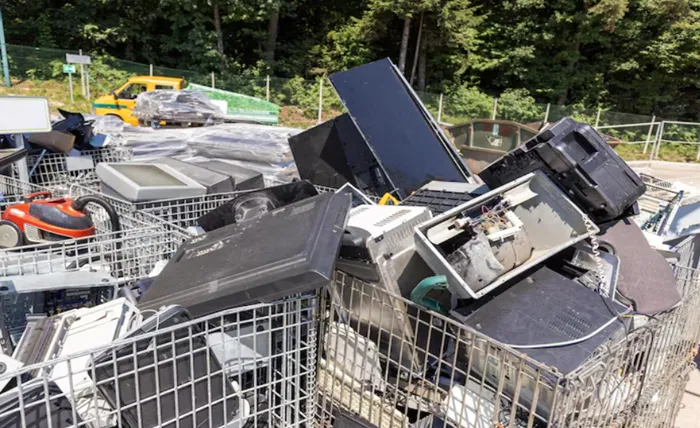
Old laptops in a closet, broken servers in a storage room, a box of mixed circuit boards from a renovation project—most people see this as “junk.” In reality, electronic scrap often contains valuable metals and components that can turn into real revenue when handled correctly. The challenge is that e-waste pricing can feel opaque: two “similar-looking” loads can be worth very different amounts, and the factors behind pricing aren’t always explained.
This guide breaks down what determines the value of electronic scrap, how pricing is typically calculated, and what you can do to maximize returns—without compromising compliance or sustainability. If you’re in Finland and want a practical reference point for evaluation and recycling, you’ll also find a reliable resource for e jäte handling that focuses on transparent assessment.
Why Electronic Scrap Has Value (And Why It’s Hard to Price)
E-waste isn’t valuable because of the plastic casings or the screens—it’s valuable because of what’s inside. Many electronics contain:
- Precious metals like gold, silver, and palladium (especially in connectors and certain board types)
- Base metals like copper, aluminum, and tin (common across wiring and solder)
- Specialty metals in certain components (varies widely by device generation and manufacturer)
Pricing gets complicated because e-waste is not a single commodity. “A box of boards” can range from high-grade telecom boards to low-grade household appliance PCBs—and the metal content difference can be dramatic.
On top of that, prices move with global metals markets, and buyers use different grading systems. That’s why one of the most important steps is knowing what you have before you accept an offer.
What Determines E-Waste Value? The 7 Biggest Pricing Factors
1) Type of Material (PCB Grade Matters)
Printed circuit boards (PCBs) are often the most value-dense part of electronics. However, not all boards are equal. Generally (and simplifying a bit), pricing tends to follow these tiers:
- High-grade boards (telecom, server, industrial control): more complex, more precious-metal-bearing parts
- Mid-grade boards (PC motherboards, some consumer electronics): moderate precious metals
- Low-grade boards (appliances, basic electronics): lower metal content
If your load is mixed, the average value often drops. Sorting by grade is one of the easiest ways to improve your payout.
2) Metal Content (Not Weight Alone)
Many first-time sellers assume “heavier is more valuable.” Weight helps, but composition matters more. A lightweight batch of high-grade connector-rich boards can be worth more than a heavier batch of low-grade boards with minimal recoverable metals.
This is also why professional assessment and consistent grading are so important—especially for businesses with recurring scrap streams.
3) Quantity and Consistency
Small, one-off batches are often priced more conservatively because sorting and processing costs take a bigger share. Consistent volume (even if it’s monthly rather than daily) can improve terms because buyers can plan logistics and refine recovery.
4) Level of Sorting and Preparation
In many cases, the better prepared your material is, the clearer the pricing becomes. Preparation might include:
- Separating PCBs from mixed electronic scrap
- Keeping cable/wire separate from boards
- Removing obvious contaminants (non-electronic trash, excessive plastics, wood, etc.)
- Grouping similar board types together
That said, don’t overdo disassembly if it creates safety risks or compliance issues. If you’re unsure, ask a professional recycler what prep steps are worth your time.
5) Condition and Contamination
Moisture, dirt, batteries left inside devices, and mixed hazardous materials can reduce value or require special handling. Contamination can also slow down sorting and increase processing costs, which often shows up in the final offer.
6) Compliance and Traceability
Especially for businesses, compliance is part of the “real value.” Proper documentation, secure handling, and reputable recycling partners reduce risk—particularly for IT assets, customer devices, or electronics tied to data security concerns. Even if your primary goal is pricing, choosing a professional route can prevent expensive downstream issues.
7) Market Pricing for Metals
Gold, copper, palladium, and other metals fluctuate. Many buyers adjust prices frequently to reflect market reality. If you’re selling regularly, it’s worth tracking trends—or working with a partner who explains how market changes affect your offer.
Common E-Waste Categories and What They’re Typically Worth
Exact pricing depends on your location, grade, and buyer. But these broad categories can help you understand where value usually concentrates:
- High-grade PCBs: Often among the highest-value e-waste (e jäte) categories due to precious metal content
- Motherboards and computer components: Usually mid-to-high value depending on generation and connector density
- Cables and wiring: Value driven largely by copper content and insulation type
- Power supplies and mixed peripherals: Often mid-to-low value unless separated into metal fractions
- Low-grade appliance boards: Typically lower value, but still worthwhile in volume
If you’re trying to estimate your e-waste price (sähköromun hinta), the key is to identify which category dominates your batch—and whether mixing is dragging down the overall grade.
How to Maximize Your E-Waste Payout (Without Guesswork)
Getting a better price often comes down to doing the basics consistently and choosing a buyer who can evaluate material accurately. Here are practical steps that help most sellers:
Step 1: Sort by Material Type
Even light sorting can make a noticeable difference. Keep PCBs separate from cables, keep metal-heavy parts separate from plastics, and avoid mixing general trash with electronics.
Step 2: Sort PCBs by Grade (If You Can)
If you have recurring scrap (workshops, IT departments, recyclers, electronics repair), create simple bins for high-, mid-, and low-grade boards. Over time, this reduces disputes and makes pricing more predictable.
Step 3: Ask for Transparent Evaluation Criteria
A reputable buyer should be able to explain what they’re buying, how it’s graded, and what affects the offer. The goal isn’t to get lost in technicalities—it’s to avoid “black box” pricing where you can’t verify what happened.
Step 4: Don’t Ignore the Value of Professional Testing and Expertise
Electronic scrap valuation improves when the buyer has strong technical know-how and clear processes for analyzing scrap fractions. Companies that work closely with downstream refiners and maintain robust evaluation methods can often provide more consistent pricing—because they’re basing offers on recoverable value rather than rough guesswork.
Step 5: Make Logistics Easy (It Can Affect Price)
Clean packaging, labeled batches, and predictable pickup/drop-off schedules reduce handling time. That can translate into better commercial terms, especially for businesses generating steady volumes.
Mistakes That Commonly Reduce E-Waste Value
- Mixing everything together: A “one big box” approach often results in a lower average grade
- Including batteries and hazardous components: Can complicate processing and reduce offers
- Assuming all PCBs are equal: They aren’t—board grade is a major pricing lever
- Choosing the fastest offer without comparing: Speed is great, but transparency matters too
- Skipping documentation: Risky for businesses and can create compliance headaches later
What “Fair Pricing” Looks Like in Practice
A fair e-waste deal is not just “the highest number on a message.” It usually includes:
- Clear acceptance criteria for different electronics and PCB types
- Reasonable grading that matches what you actually deliver
- Fast, reliable transactions and professional customer service
- Responsible recycling routes (important for sustainability and brand reputation)
For Finnish businesses and individuals who want a practical, structured way to get their electronics assessed and recycled responsibly, Metalaxis is worth considering because they focus on accurate evaluation and a process designed around transparency and efficient transactions.
If you’re sitting on a pile of boards or mixed electronics and want to turn it into a clear, documented outcome (instead of a lingering storage problem), a good next step is to review Metalaxis’s guidance on PCB evaluation and recycling as a starting point for understanding what you have and what you can expect.