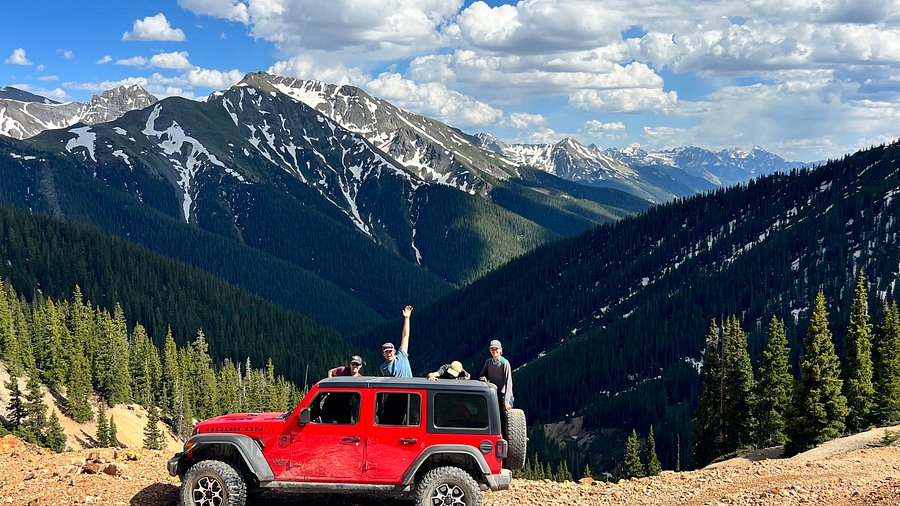
Climbing up the high altitude passes of the San Juan Mountains in Colorado is a bucket list adventure that will give you the most unforgettable experience of your lifetime. Also known as “Switzerland of America”, Ouray provides the best gateway for exploring former mining trails, ghost towns, and mountain shelf roads.
Driving through 12,000-foot passes isn’t the same as cruising around a typical highway crossover. Hiring adventure vehicle rentals Ouray opens up access to the famous backcountry trail network, yet some preparation should be made before you grab the keys to the vehicle.
Proper Equipment: Modified Rigs For High-Altitude Passes
No regular 4WD vehicle is equipped with the appropriate off-road equipment required to conquer the famous rock gardens and loose shale of San Juans. Choosing adventure vehicle rentals Ouray implies looking for a properly modified Jeep Wrangler Rubicon model. The vehicle should have a genuine low range transfer case, front and rear locking differentials, heavy-duty suspension, and tires designed for all-terrain.
| Trail Name | Peak Elevation | Technical Difficulty | Essential Trail Tip |
| Engineer Pass | 12,800 ft | Moderate | Uphill traffic strictly has the right-of-way on narrow ledges. |
| Yankee Boy Basin | 12,499 ft | Moderate | Famous for summer wildflowers; upper section requires high clearance. |
| Imogene Pass | 13,114 ft | Advanced | Second highest vehicular pass in CO; expect unpredictable weather. |
Important Facts Before Your Adventure: Age, Insurance, Logistics
To make your off-road adventure possible, you need to meet the legal requirements regarding age and insurance. Usually, the minimum age for drivers is 25 years old with a valid driver’s license. Besides, the standard car rental coverage excludes off-road damage.
You should provide a copy of the Auto Insurance Declaration Page in order to confirm that you have full coverage for your rental vehicle in case of collision or any other accidents. For a better use of your time on the trail, select an outfitter who provides the opportunity of taking the vehicle earlier than usual, like for example, at 6:00 PM on the evening before.
Rules of the Trail: Mountain Right-of-Way and Etiquette
Single-lane driving on the mountain shelf roads requires following the principles of backcountry ethics and mountain right-of-way rules. The uphill-going vehicle always has the right-of-way on the narrow road.
Downhill drivers should give way and reverse up the mountain trail to the designated turnout area to allow passing of the other vehicle. Always stop at the designated pullout areas away from the trail to take photographs without blocking emergency services access or passing traffic.
Alpine Loop Roadways: The Best and Restricted Ones
The Alpine Loop road connects Ouray, Lake City, and Silverton for a total length of 65 miles through the tundra landscape. While routes such as Engineer Pass, Mineral Creek, and Corkscrew Gulch provide amazing views for well-equipped 4x4s, some trails are closed.
Extremely dangerous trails, including the downhill switchbacks of Black Bear Pass, are not allowed for unguided rental vehicles because of high shelf edge liability and rollover dangers. Always check your outfitter’s restricted trail list for your GPS.
High Country Safety: How to Cope with Changing Weather
The mountain weather above the altitude of 10,000 feet changes quickly even during summer months. The afternoon lighting storms, hail, and freezing weather can suddenly appear in the mountains.
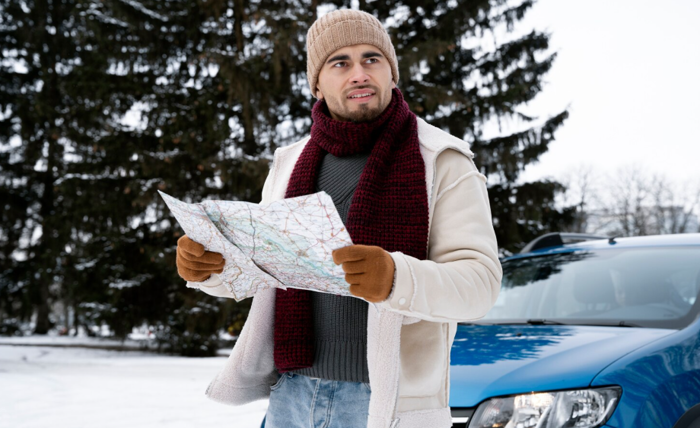
Always check the trail conditions and start the ascent in the morning, so you can be descending during the afternoon thunderstorm window. Have extra clothing, emergency rations, water supplies, and the paper trail map in your car, as the cellular connection is absent in high elevation.
Tread Lightly: Protecting High Altitude Ecosystems
The high-altitude alpine tundra above the treeline recovers for decades after damage. Strictly following the trails is the non-negotiable principle of backcountry driving. Do not cut switchbacks or drive through the mountain meadow in order to avoid obstacles. Take away all garbage, observe the local wildlife at a distance, and make sure that your trip does not damage the pristine public lands.