A big sports night in the Philippines has always sounded like noise-chants spilling into the street, jeepneys slowing near the arena, vendors counting coins with fast fingers. In 2026, the noise still matters, but it has learned to travel. The same game that fills seats can now fill hotel rooms, light up delivery apps, and sustain conversation for days through highlights, live stats, and comment threads. With nearly 98.0 million people online at the end of 2025, and internet penetration at 83.8%, the country enters 2026 with a fan base that is not only loud but also permanently connected.
When a game becomes a weekend
Sports tourism is the cleanest proof that events ripple outward. The 2023 FIBA Basketball World Cup provided the Philippines with a measurable case study: the opening game at the Philippine Arena drew 38,115 fans, a FIBA record for a World Cup game. Attention like that doesn’t end at the final buzzer. The Department of Tourism reported increased hotel occupancy and visitor arrivals during the tournament period, linking sport directly to room sales and city spending. Even the Bangko Sentral ng Pilipinas cited the World Cup as providing an additional boost to tourism.
In 2026, the bigger story is intent. President Ferdinand Marcos Jr. established a National Sports Tourism Inter-Agency Committee in late 2025 to identify and pursue bids for high-impact international events, signaling that hosting is no longer treated as a one-off celebration but as an economic lever.
Basketball nights that feed whole districts
Basketball remains the country’s most reliable engine because it runs often, runs locally, and produces repeat habits: transportation, food, tickets, and the small spending that accumulates when it happens every week. The PBA’s official schedule pages make matchdays easy to plan and easy to share, which matters for attendance and for the ecosystem around attendance: friends coordinate, families travel in, and nearby businesses staff up because they know the clock.
Some fans check PBA odds on their phones between possessions, treating the line movement as another form of commentary that sits beside the box score and the group chat. That second-screen behavior extends the commercial life of a game: people remain engaged longer, refresh more frequently, and consume more content surrounding the match rather than only the match itself.
Football’s slower burn
Football in the Philippines often grows through accumulation rather than explosions: a national-team night, a club fixture, a youth qualifier that becomes a local point of pride. The Philippines Football League has a season structure that entails travel across the archipelago, and even when crowds are smaller than those in basketball, spending patterns can be concentrated: flights, overnight stays, meals, and the tourism “add-ons” that accompany an away-day mindset.
International football attention also lands differently in 2026 because global tournaments and continental calendars drive viewing spikes. Even when the match is not hosted in Manila, the viewing economy is local: bars, watch parties, subscriptions, and the steady sale of attention that sponsors crave.
Esports turns spectators into participants
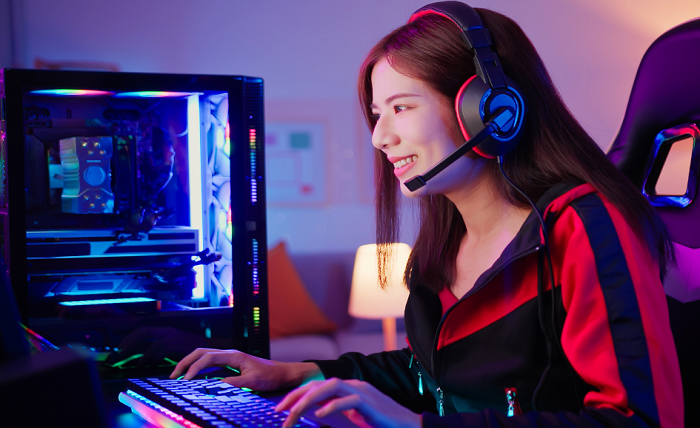
Esports is where the Philippines appears most likely to look in the future, because the fan experience begins online and remains there even when the finals are played offline. MPL Philippines publishes schedules and match structure through its official site, which helps communities organize watch parties the way traditional fans organize road trips. That organization has economic consequences: branded venues, ticketed finals, sponsor activations, creator meet-ups, and a cottage industry of content that keeps teams in the conversation between matchdays.
The effect is not just “more viewers.” It’s more layers of monetization: ads on streams, partnerships in broadcasts, merchandise drops timed to playoffs, and a creator economy that sells the story of a team as much as the team itself. When a clutch play becomes a clip, the clip becomes marketing, and marketing becomes revenue.
Between watching and spending
Betting has become part of the modern sports economy because it makes attention sticky. Adult fans already watch with a phone nearby, and betting platforms slide into that posture as one more tab that promises a deeper feeling of involvement.
Many users treat online betting Philippines markets as a matchday add-on rather than a separate activity, especially in esports and basketball, where momentum swings are frequent and readily apparent. The healthiest version of this layer is built around clarity: rapid information, transparent pricing, and responsible tools such as limits and timeouts, so participation remains entertainment-led. These platforms’ role, when integrated well, is to make that experience mobile and legible, not frantic-an extension of fandom, not a replacement for it.
The after-hours economy
Digital platforms keep the money moving after the arena empties. Pilipinas Live positions itself as an app for Filipino sports fans to watch live games and view highlights. The service’s UAAP streaming coverage underscores how the viewing experience has shifted toward features native to phones, namely alternate angles, quick replays, and companion content designed for sharing.
That always-on distribution also supports merch. A jersey or a team cap is no longer only a souvenir you buy at the gate; it’s a purchase triggered by a clip, a rivalry, a moment that went viral at midnight. For adult audiences, short-form entertainment can also sit in the same ecosystem, with online casino play offering quick rounds that fit the remaining minutes between streams, recaps, and chat arguments. A single platform bundling sports markets and casino titles can monetize the same fan across more hours of the day, which is why operators invest heavily in smooth payments, stable apps, and retention features.
What 2026 rewards
The economic impact of sports events in the Philippines in 2026 is not only about hosting “one big thing.” It concerns frequency, accessibility, and the quality of the digital layer that envelops the live experience. Tourism spikes when events are staged well; sponsorship grows when broadcasts look premium; merchandise sells when identity feels shared; and online engagement keeps the story alive long enough for all of the above to compound. The country already knows how to love sport. In 2026, the opportunity is to continue building the physical and digital infrastructure that turns that love into durable, well-managed economic activity.