
Key Takeaways
- AI tools are making job matching and applications faster and more precise.
- Social media plays a significant role in job discovery and networking.
- Showcasing professional skills and projects online can help candidates stand out.
- Continuous online learning is vital to career growth and adaptability.
- Mobile apps make job hunting accessible anytime, anywhere.
Table of Contents
- AI-Powered Job Matching
- Leveraging Social Media for Job Discovery
- Building a Digital Portfolio
- Continuous Learning Through Online Platforms
- Mobile Applications in Job Hunting
- Virtual Interviews and Assessments
- Data Analytics in Job Search
- Conclusion
In today’s dynamic employment landscape, technology is transforming nearly every aspect of how individuals search for, apply to, and secure new positions. The rise of digital platforms means job seekers now have access to resources, information, and networking opportunities that were unimaginable a decade ago. Platforms enable efficient connections with employers and the discovery of relevant roles in a more targeted and personalized manner.
From streamlined job matching to robust online portfolios, digital tools enable candidates to showcase their strengths and learn new skills, while providing recruiters with essential insights. These innovations ensure both employers and job seekers benefit from a quicker and fairer process. Ultimately, these advances are making the process less daunting and more empowering for those navigating today’s competitive job market.
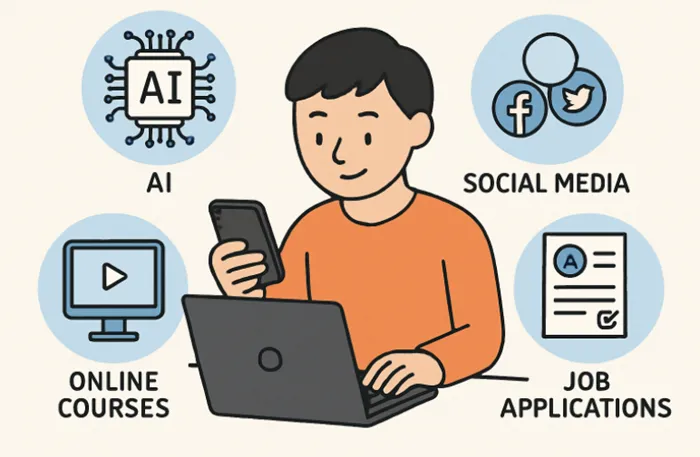
Social media, continuous online learning, and mobile apps significantly contribute to the modern candidate job search, benefiting professionals at every level. With just a few taps or clicks, networking, application tracking, and interview preparation are always within reach. By embracing these tools, candidates position themselves for success in a world where adaptability and technological fluency are paramount.
For those eager to stay ahead in their job search strategies, adopting digital methods is no longer optional—it’s essential. From artificial intelligence to virtual assessments, the landscape is constantly evolving and rewarding those who adapt quickly. For more insights on how technology is shifting traditional job searches, reputable publications like Forbes offer current perspectives on the technological transformation of recruitment.
AI-Powered Job Matching
Artificial intelligence is at the forefront of recruitment innovation. Leading platforms use sophisticated algorithms to rapidly scan resumes, projects, and digital footprints, matching candidate skills and experience to job requirements with surprising accuracy. By reducing hours spent manually sorting applications, both recruiters and job seekers gain a streamlined, more effective experience. AI systems even identify transferable skills, helping job hunters broaden their options. According to a report by Harvard Business Review, AI also minimizes unconscious bias, promoting fairness in hiring and empowering a more diverse workforce.
Leveraging Social Media for Job Discovery
Social media has revolutionized the way professionals connect and discover opportunities. Platforms like LinkedIn, Twitter, and even Instagram are invaluable for researching companies, networking with industry leaders, and learning about openings before they’re publicly listed. Posting about professional milestones, participating in industry discussions, and joining niche groups can greatly expand a candidate’s reach. For younger generations, digital networking is the new standard, dramatically impacting how quickly—and broadly—talent can connect with organizations and recruiters.
Building a Digital Portfolio
Showcasing work via thoughtfully curated online portfolios is no longer exclusive to the creative industries. Professionals in technology, marketing, and beyond now use platforms such as LinkedIn, GitHub, and Behance to highlight case studies, project outcomes, certifications, and testimonials. This digital footprint serves as a testament to expertise and adaptability—qualities highly valued by modern employers. Custom URLs and portfolio sites also make it easier for hiring managers to quickly view evidence of skills or past success stories, setting candidates apart from the competition.
Continuous Learning Through Online Platforms
Ongoing learning is essential in industries where tools, languages, and best practices shift rapidly. Job seekers utilize platforms like Coursera, Udemy, and LinkedIn Learning to bridge skills gaps and stay current with industry trends. Earning certificates or micro-credentials not only boosts employability but also demonstrates proactive professional growth. Investing in continuous education prepares candidates for evolving expectations and gives them a compelling edge during the interview process.
Mobile Applications in Job Hunting
Job hunting no longer means sitting at a desk and sending emails for hours. Mobile apps, equipped with custom alerts and tracking dashboards, allow users to search, network, and apply from anywhere—maximizing efficiency. Apps can even deploy AI-driven prompts to tailor resumes, send reminders for deadlines, and notify candidates of relevant job openings in real-time. With such flexibility, candidates are empowered to seize opportunities promptly and manage every part of their job search on the go.
Virtual Interviews and Assessments
As remote work becomes mainstream, virtual interviews and digital assessments are standard practice. These tools enable organizations to screen candidates across multiple locations efficiently without logistical headaches. Video interviews, recorded assessments, and live problem-solving sessions test not only technical know-how but also digital communication skills. With virtual processes now an integral part of most hiring pipelines, job seekers must adapt by practicing video presentations and becoming comfortable with on-screen assessments to make strong first impressions.
Data Analytics in Job Search
Data-driven platforms are revolutionizing the way candidates plan their careers. Salary benchmarking tools, job market heatmaps, and in-demand skill analyses help applicants identify where opportunities exist and what credentials are most valuable. By harnessing data analytics, job seekers can target applications more strategically and negotiate with greater confidence. At the same time, those seeking to transition into new industries can map the most effective pathway toward new roles.
Conclusion
Embracing digital tools gives professionals an unparalleled advantage in today’s global job market. Whether using AI for faster matching, curating a compelling online presence, or utilizing mobile and virtual tools, today’s job seekers have a wealth of resources at their fingertips. By staying informed and agile, candidates can confidently navigate—and even thrive—in the ever-evolving landscape of modern employment.