
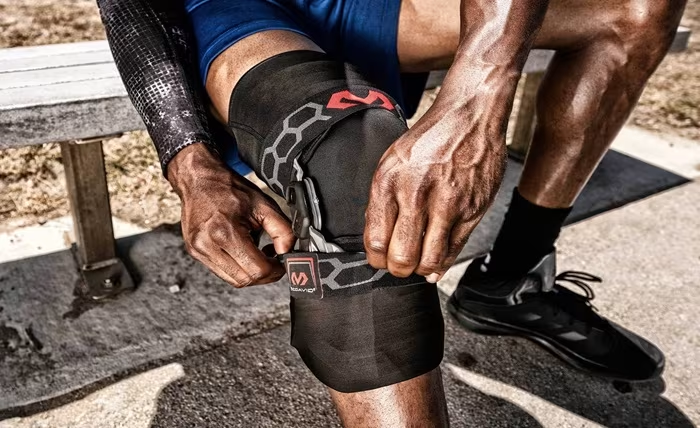
An anterior cruciate ligament (ACL) injury is a common concern, particularly among athletes and active individuals. The recovery process often involves the use of specialised knee supports to stabilise the joint and facilitate effective healing. Selecting the right ACL brace knee can be pivotal in ensuring optimal support and preventing further injury.
Understanding the Role of an ACL Brace Knee
The ACL is one of the major ligaments in the knee, crucial for maintaining joint stability. When damaged, it can lead to instability and difficulties in performing everyday movements or engaging in physical activities. An ACL brace knee serves the purpose of providing external support to the knee, reducing strain on the ligament during movement and allowing the patient to regain confidence in their mobility.
The correct brace can help control knee motion, limit harmful movements, and offer protection during rehabilitation and sporting activities. It is essential that the brace fits well and is of the appropriate design to suit the individual’s condition and lifestyle.
Types of ACL Knee Braces
There are several types of ACL braces available, each designed for specific phases of injury and recovery. Understanding the various options can assist in making an informed choice.
Functional Braces
Functional braces are designed to provide stability for knees that have suffered ligament injuries but do not require surgery or during recovery post-surgery. They are constructed to support the joint dynamically during movement.
Rehabilitative Braces
Rehabilitative braces are typically used immediately after surgery or injury. They restrict harmful knee movements to safeguard the healing process.
Prophylactic Braces
These braces are preventative in nature, used primarily by athletes in contact sports to reduce the risk of knee injuries, including ACL tears.
Key Considerations When Selecting an ACL Brace Knee
Several factors should influence the selection of the appropriate ACL brace knee. The severity of the injury, activity level, comfort, and the level of support required all play fundamental roles.
Level of Support
ACL braces come with various levels of rigidity and padding. A brace offering too little support might fail to prevent knee instability, whereas one that is overly restrictive could hinder natural movement and lead to muscle weakness.
Fit and Comfort
Proper fit is critical in ensuring the effectiveness of the brace. An ill-fitting brace can cause discomfort, skin irritation, and reduce adherence to wearing the device. Adjustable straps and custom sizing improve comfort and utility.
Material and Durability
The materials used in the manufacture of the brace affect breathability, durability, and weight. Lightweight and breathable materials enhance comfort, particularly for individuals using the brace over extended periods.
Ease of Use
The brace should be easy to put on and remove. This feature is especially important for patients in the rehabilitative phase, who may have limited mobility and require assistance.
The Benefits of Using a Quality ACL Brace Knee
A well-designed ACL brace knee aids in reducing pain, stabilising the joint, and providing confidence during movement. It complements physiotherapy efforts and accelerates the return to normal function.
For athletic individuals, the brace offers reassurance during high-impact activities, potentially reducing the risk of re-injury. Moreover, braces can assist in aligning the knee properly, which supports overall joint health.
Where to Source Reliable ACL Knee Braces
Selecting a reputable supplier of ACL braces is crucial. Quality products, backed by clinical research and user reviews, ensure reliability and safety. One notable provider is Acl brace knee, offering a range of bracing solutions suited to varying needs.
The Importance of Professional Guidance
Before acquiring an ACL brace knee, consulting with healthcare professionals, such as orthopaedic specialists or physiotherapists, is highly recommended. They can assess the injury, recommend the appropriate brace type, and guide on proper usage, thereby maximising therapeutic outcomes.
Maintenance and Care of ACL Braces
Proper maintenance extends the lifespan of the brace and maintains hygiene. Cleaning instructions should be followed according to manufacturer guidelines, typically involving gentle washing and thorough drying to prevent material degradation.
Regular inspection for signs of wear, such as frayed straps or weakened support structures, ensures continued effectiveness and safety during use.
Potential Limitations and Precautions
While effective, ACL braces are not a substitute for physical therapy or surgical intervention when necessary. Over-reliance on the brace without appropriate rehabilitation may impede muscle strengthening and joint function recovery.
Some users may experience skin irritation or discomfort. It is important to address these issues promptly to avoid complications such as pressure sores or allergic reactions.
Conclusion
Choosing the right ACL brace knee involves understanding the injury, the demands of the individual, and the features of various brace types. A carefully selected brace that fits well and offers adequate support can make a considerable difference in recovery and ongoing knee health.
Professionals advise pairing the use of an ACL brace knee with a comprehensive rehabilitation programme to optimise recovery outcomes. Quality products, such as the options available through Acl brace knee suppliers, ensure users receive the support necessary to regain mobility and reduce the risk of future injury.