
When considering a new air conditioning system for your home, it’s important to look beyond just the initial cost and brand. The right AC installation can significantly impact your comfort, energy bills, and even the longevity of your equipment. Factors such as proper sizing, energy efficiency ratings, and the unique characteristics of your home all play a crucial role in determining how well your new system will perform. By understanding these elements, you can make informed decisions that lead to a more comfortable living environment and long-term savings. Planning ahead ensures your investment delivers the results you expect.
What to Expect When Planning Your AC
Understanding Proper AC Sizing
One of the most critical aspects of planning a new air conditioning installation is ensuring the system is properly sized for your home. Many homeowners mistakenly believe that a larger unit will automatically provide better cooling, but this is not the case. An oversized air conditioner will cycle on and off more frequently, leading to uneven temperatures, increased wear and tear, and higher energy consumption. Conversely, an undersized unit will struggle to maintain comfortable temperatures, running constantly and still failing to cool your home effectively. Proper sizing involves calculating the total square footage of your living space, considering ceiling height, insulation quality, window placement, and even the number of occupants. HVAC professionals use industry-standard methods, such as Manual J load calculations, to determine the precise capacity needed for your home. This careful approach ensures your new system delivers consistent comfort, operates efficiently, and avoids unnecessary strain that can shorten its lifespan.
Energy Efficiency and Cost Savings
Energy efficiency is a major consideration when selecting a new air conditioning system. Modern AC units are rated by their Seasonal Energy Efficiency Ratio (SEER), which measures how efficiently they convert electricity into cooling power over a typical season. Higher SEER ratings indicate greater efficiency, which translates to lower utility bills and reduced environmental impact. In regions with hot, humid summers, investing in a high-efficiency system can lead to substantial long-term savings. Additionally, many utility companies offer rebates or incentives for installing energy-efficient equipment, further offsetting the initial investment. When evaluating different models, it’s important to balance upfront costs with potential energy savings over the life of the system. Homeowners in the area often search for ac installation pittsburgh to find reliable contractors who can recommend systems that meet both efficiency standards and local climate demands. Choosing an efficient unit not only benefits your wallet but also contributes to a more sustainable future by reducing your household’s carbon footprint.
Home Comfort Factors Beyond Cooling
While cooling capacity and efficiency are essential, other factors also influence the overall comfort provided by your new air conditioning system. Humidity control is particularly important, as excessive moisture in the air can make your home feel warmer and promote the growth of mold and mildew. Many modern AC systems include features that help regulate humidity levels, creating a more comfortable and healthier indoor environment. Airflow distribution is another key consideration; proper ductwork design and installation ensure that cooled air reaches every room evenly, eliminating hot spots and drafts. Noise levels can also affect your comfort, especially if the unit is located near bedrooms or living areas. Newer models are designed to operate more quietly, allowing you to enjoy a peaceful home without the constant hum of an older system. By addressing these additional comfort factors, you can create a living space that feels consistently pleasant throughout the hottest months of the year.
The Importance of Professional Installation
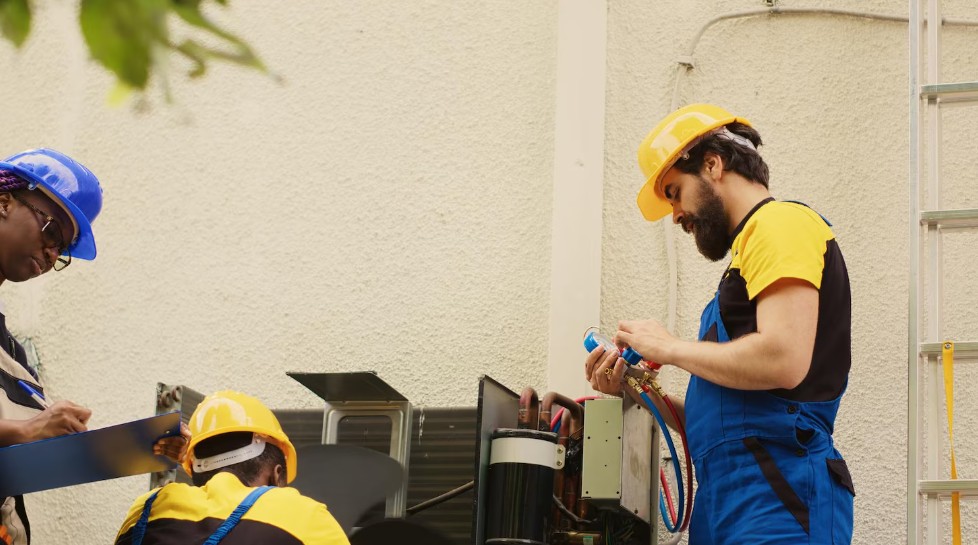
A successful air conditioning installation depends not only on choosing the right equipment but also on the quality of the installation itself. Even the most advanced system will underperform if it is not installed correctly. Professional installers follow precise procedures to ensure that every component is set up for optimal performance, from securing the outdoor condenser to sealing ductwork and calibrating thermostats. They also verify that the electrical connections are safe and that refrigerant levels are properly charged. This attention to detail helps prevent common issues such as refrigerant leaks, airflow restrictions, and electrical faults, all of which can compromise system efficiency and reliability. Homeowners who attempt DIY installations or hire unqualified contractors risk voiding manufacturer warranties and facing costly repairs down the line. Investing in professional installation provides peace of mind, knowing that your new AC system will operate safely and efficiently for years to come.
Quick Tips for Maintaining Your New AC
Regular maintenance is essential for keeping your new air conditioning system running smoothly. Simple tasks like changing air filters, cleaning condenser coils, and scheduling annual tune-ups can extend the life of your equipment and maintain peak efficiency. Staying proactive with maintenance helps you avoid unexpected breakdowns and ensures your home remains comfortable throughout the cooling season.
Evaluating Your Home’s Unique Needs
Every home has its own set of characteristics that influence the performance of an air conditioning system. Factors such as the age of the house, the quality of insulation, window types, and even the orientation of the building can affect how much cooling is required. Homes with large windows facing the sun may experience more heat gain, while older homes with inadequate insulation may lose cool air more quickly. It’s important to assess these variables when planning your installation, as they can impact both the size of the system needed and the overall efficiency. Consulting with a knowledgeable HVAC contractor can help you identify any potential challenges and recommend solutions tailored to your specific situation. This personalized approach ensures that your new AC system is not only properly sized but also optimized for your home’s unique layout and construction. By taking these factors into account, you can achieve a higher level of comfort and efficiency, making your investment in a new air conditioning system truly worthwhile.
Conclusion
Planning a new air conditioning installation involves more than simply selecting a unit and scheduling an appointment. It requires careful consideration of system sizing, energy efficiency, and the unique comfort needs of your home. By understanding the importance of proper sizing, evaluating energy efficiency ratings, and addressing factors such as humidity control and airflow, you can ensure your new system delivers reliable comfort and long-term savings. Professional installation and regular maintenance further enhance performance and protect your investment. Taking the time to plan thoughtfully will help you create a comfortable, efficient, and enjoyable living environment for years to come.